


Pflanzenfläche
Jährliche Produktion
Mitarbeiter des Unternehmens
Vertriebsland
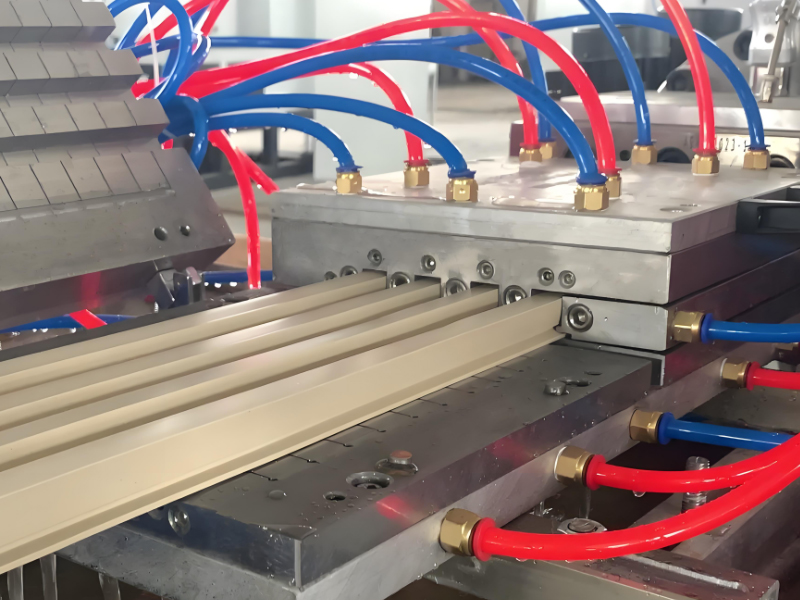
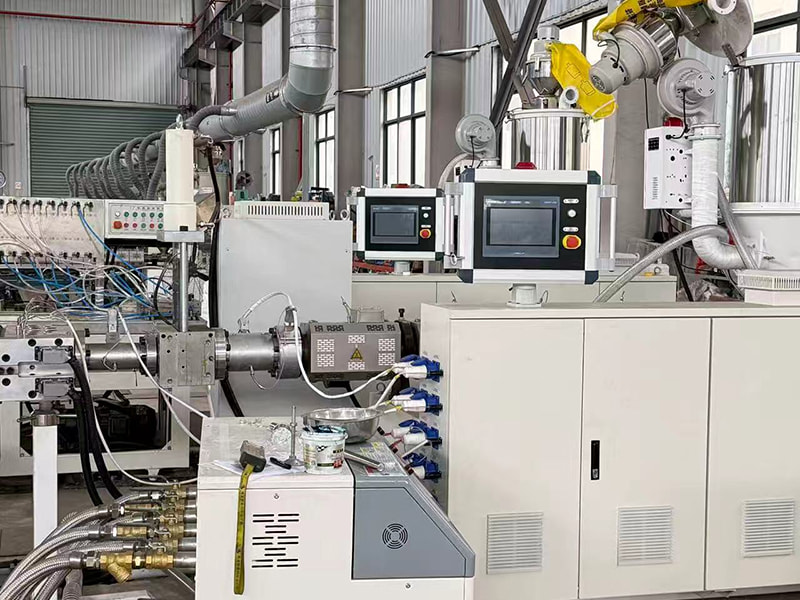
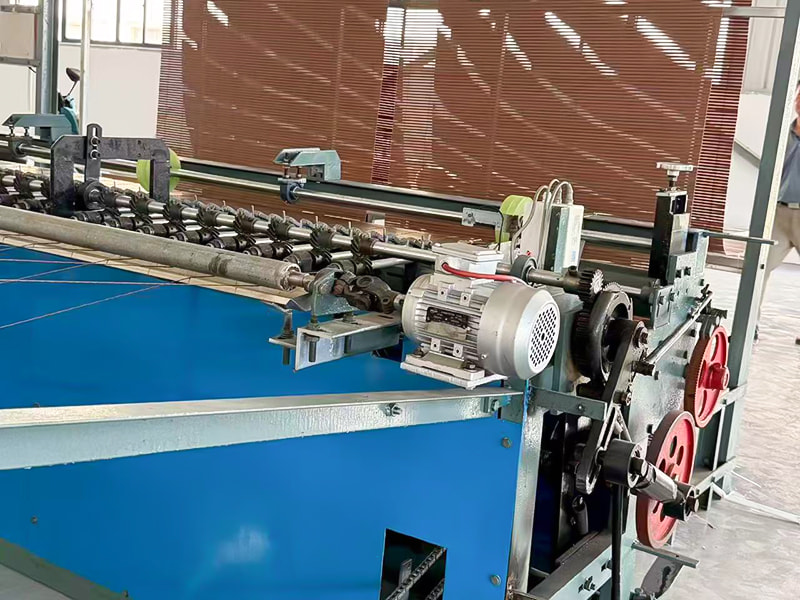
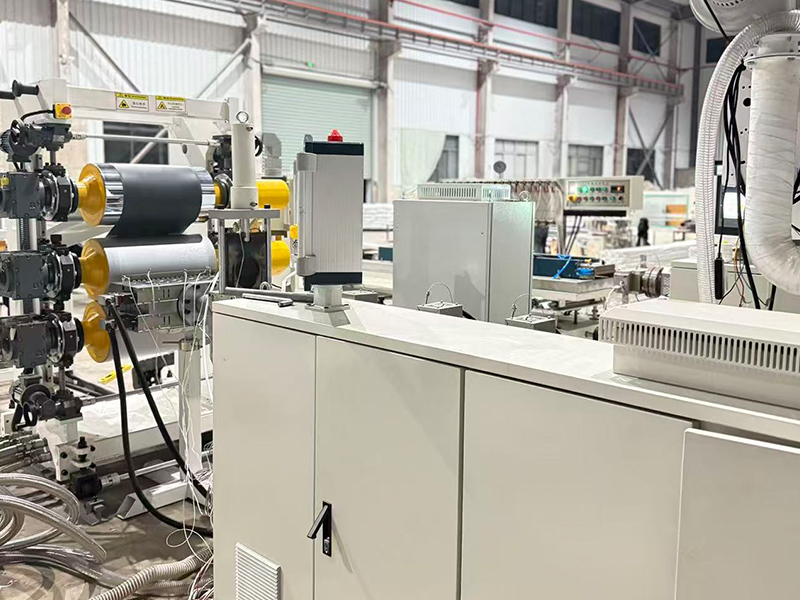
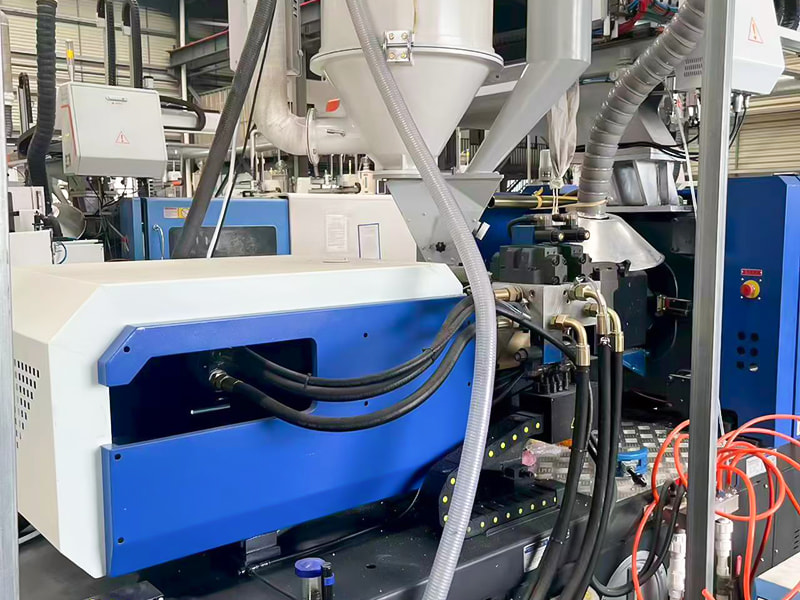
Wir bieten maßgeschneiderte Formdesigns, Extrusions- und Spritzgussteile sowie Musterverarbeitungsdienste für Außen- und Zaunlösungen.
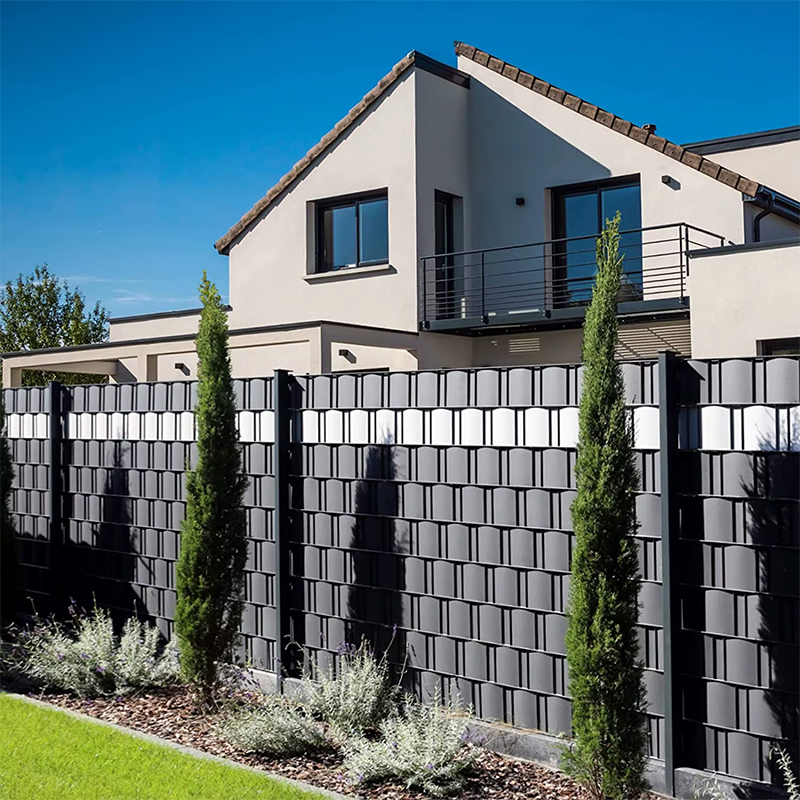
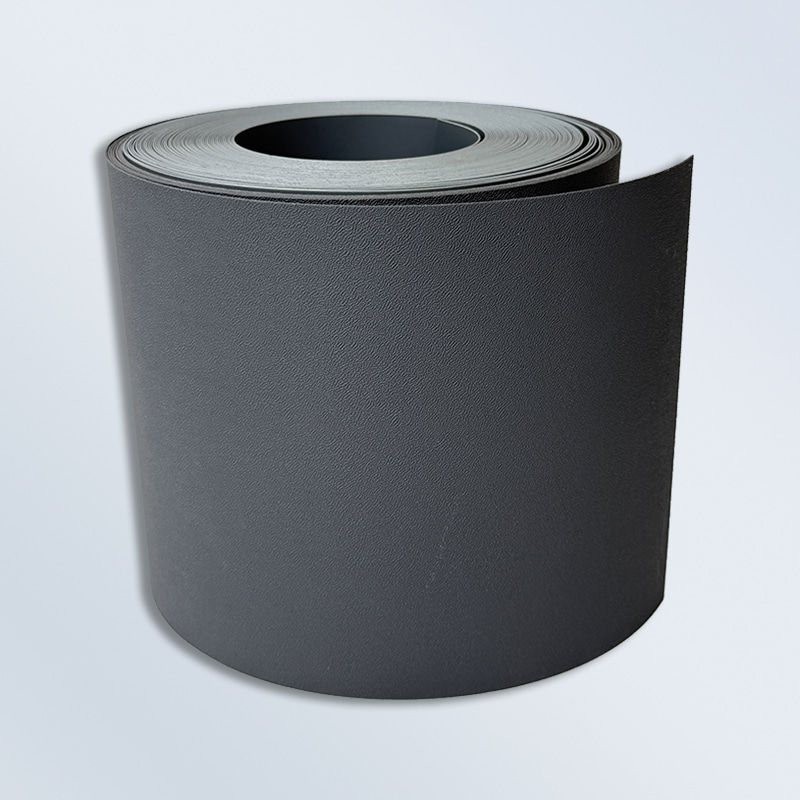
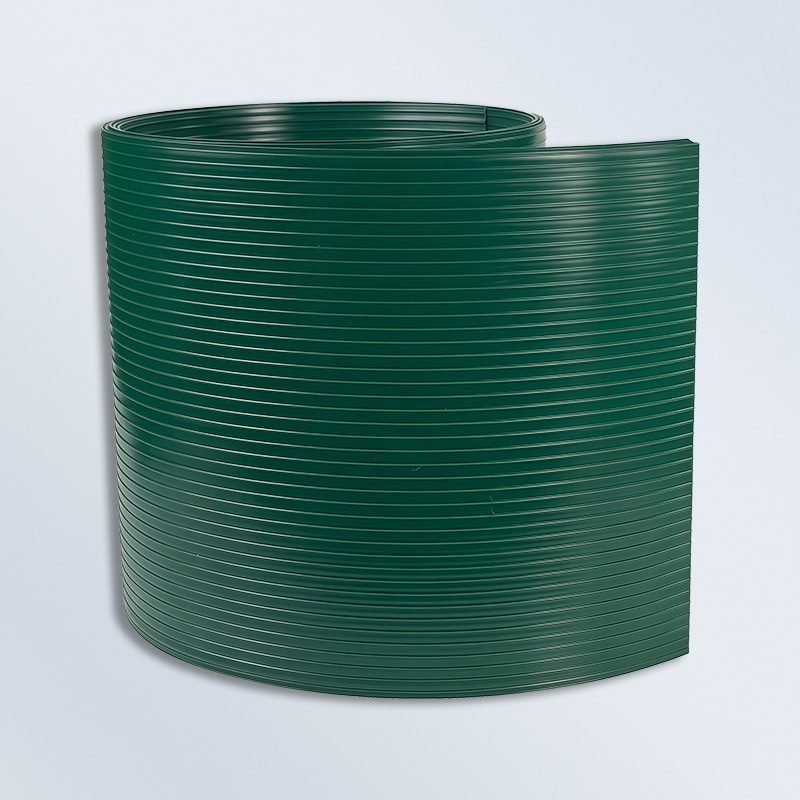
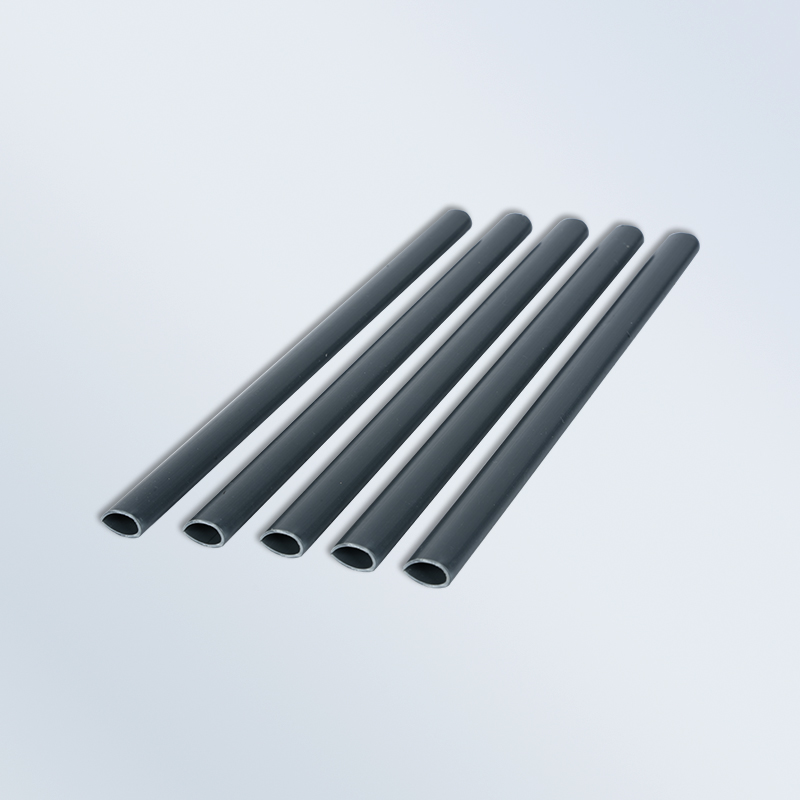
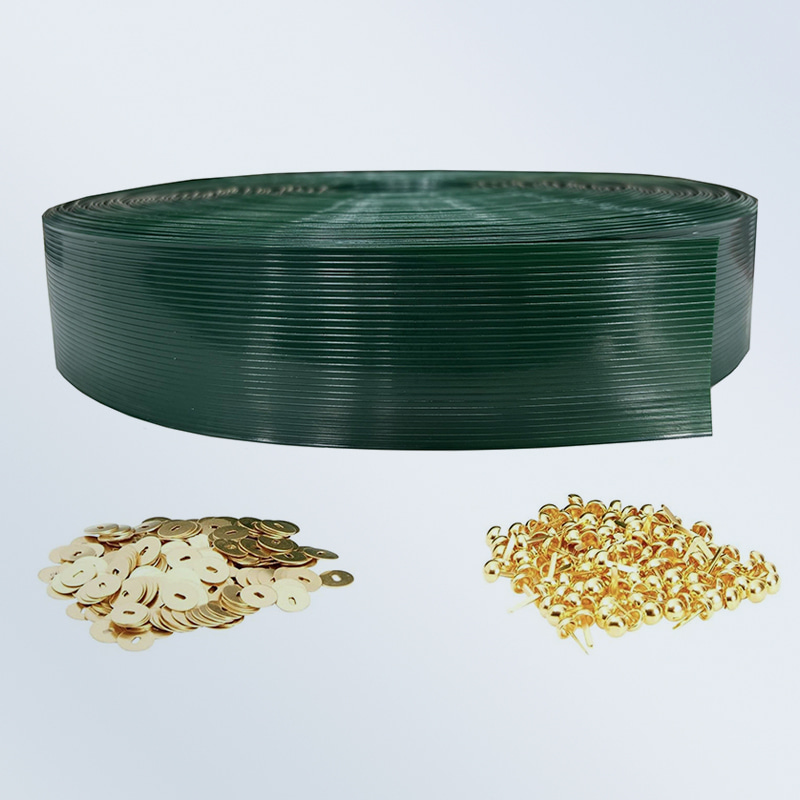
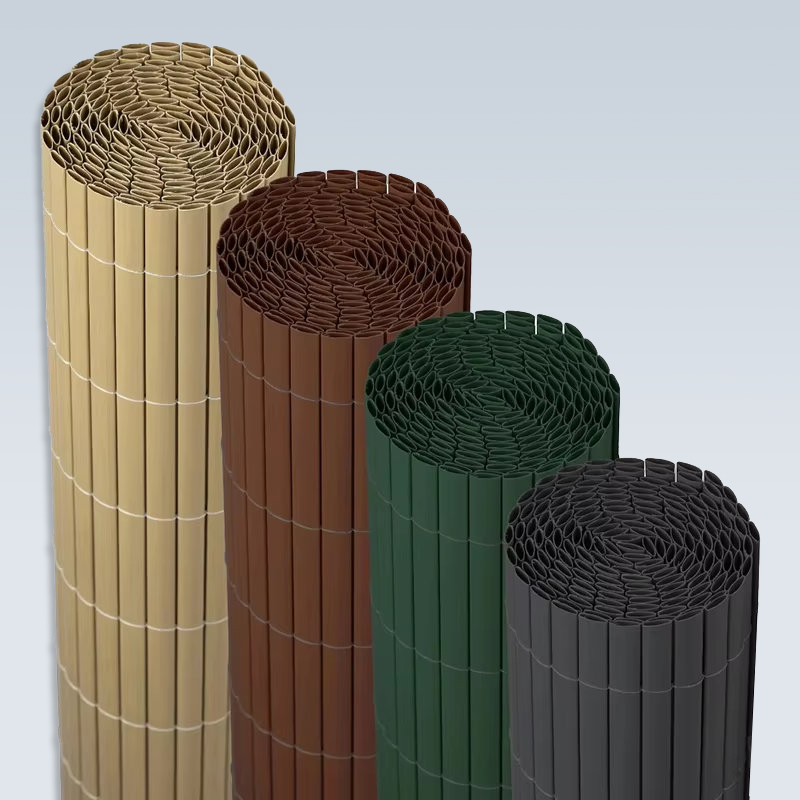
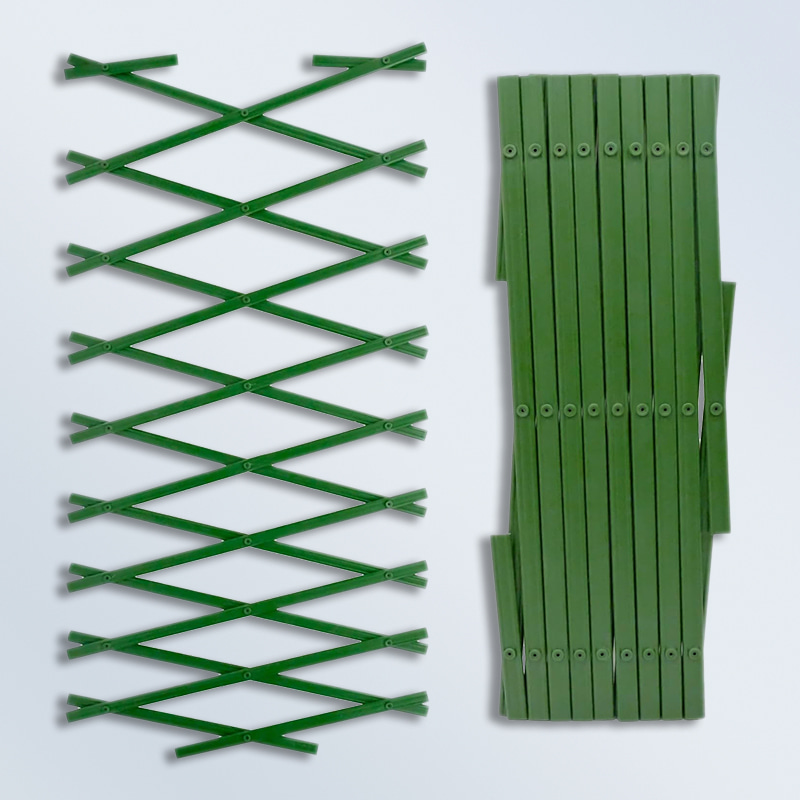
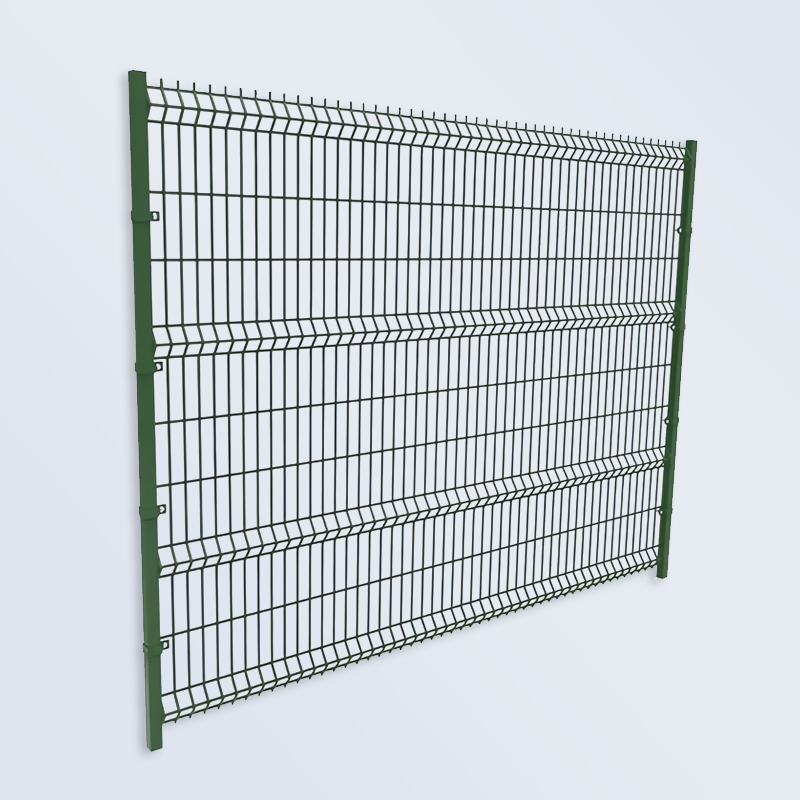
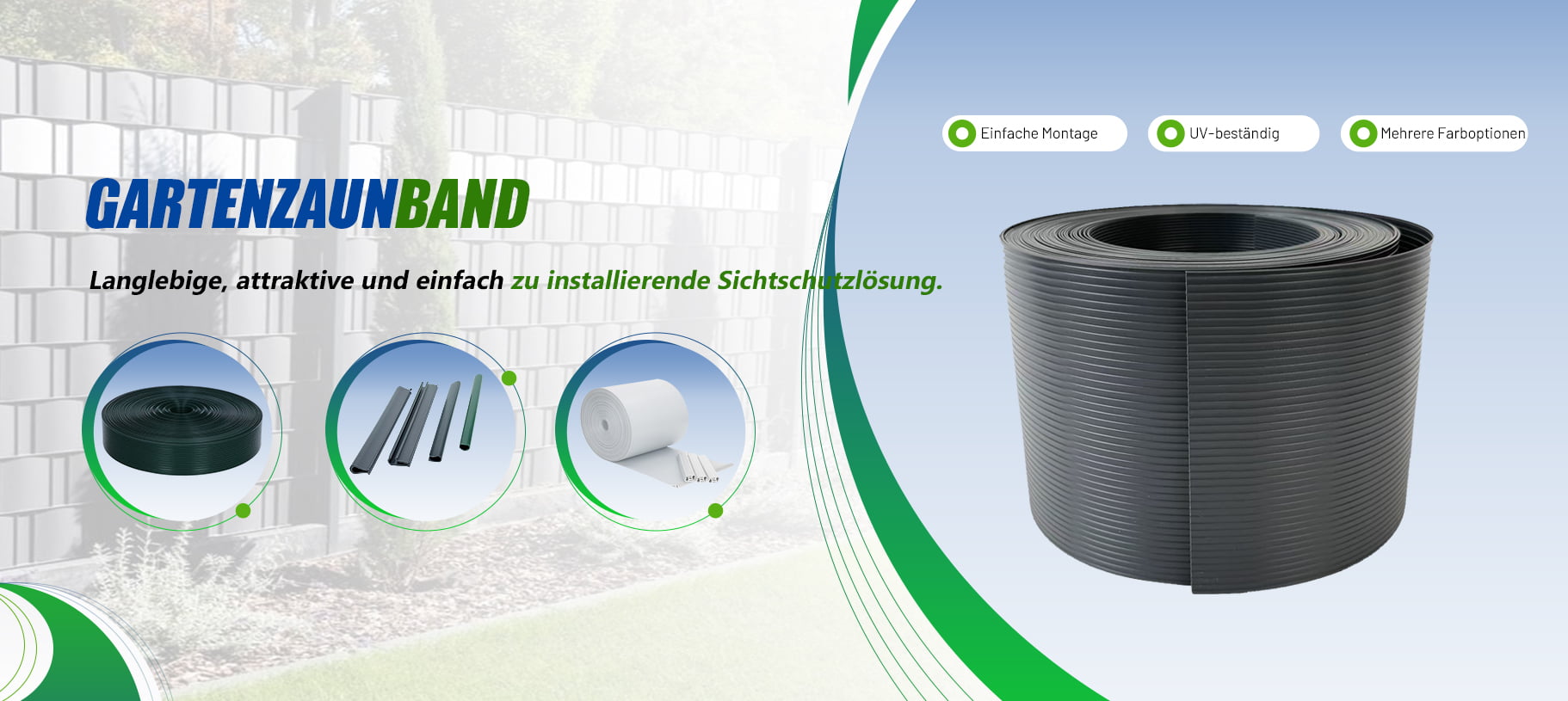
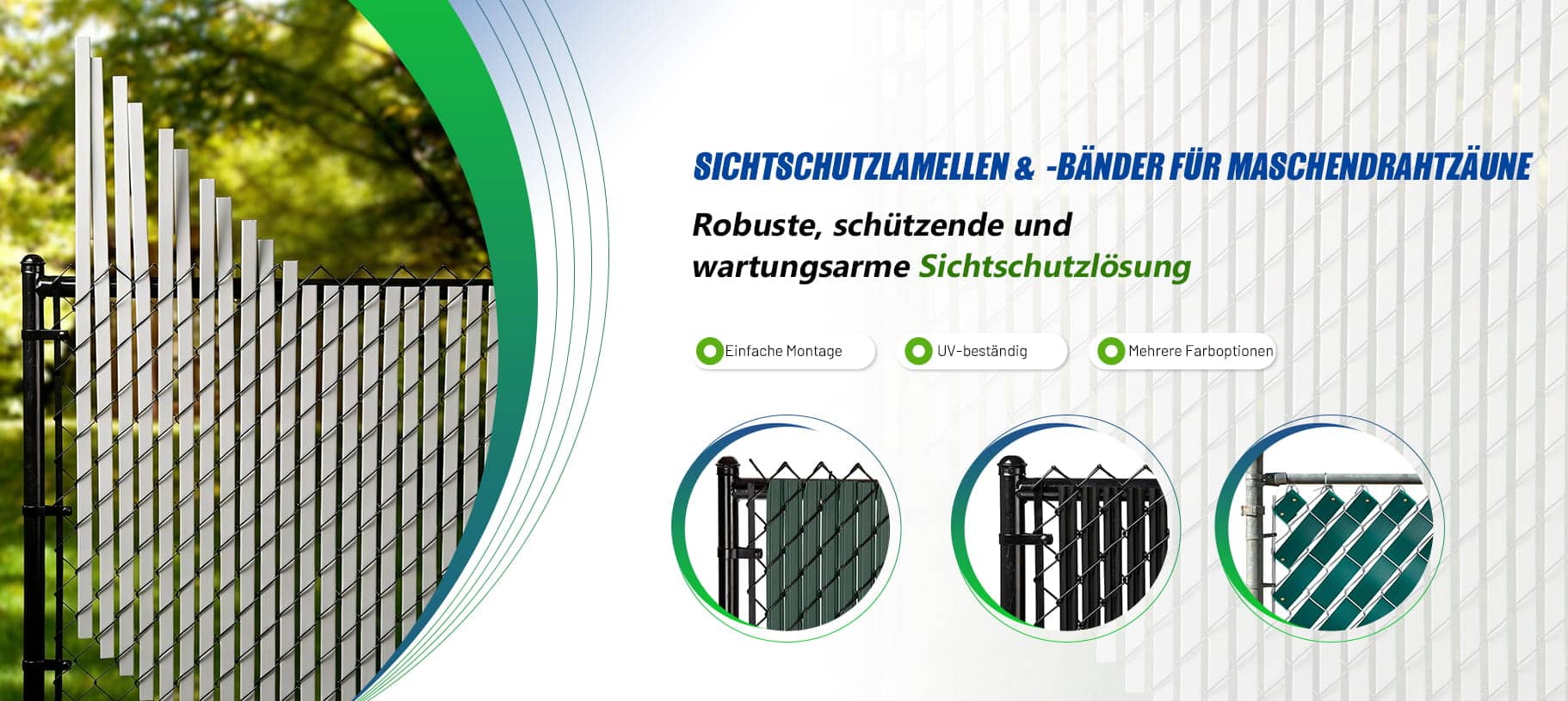
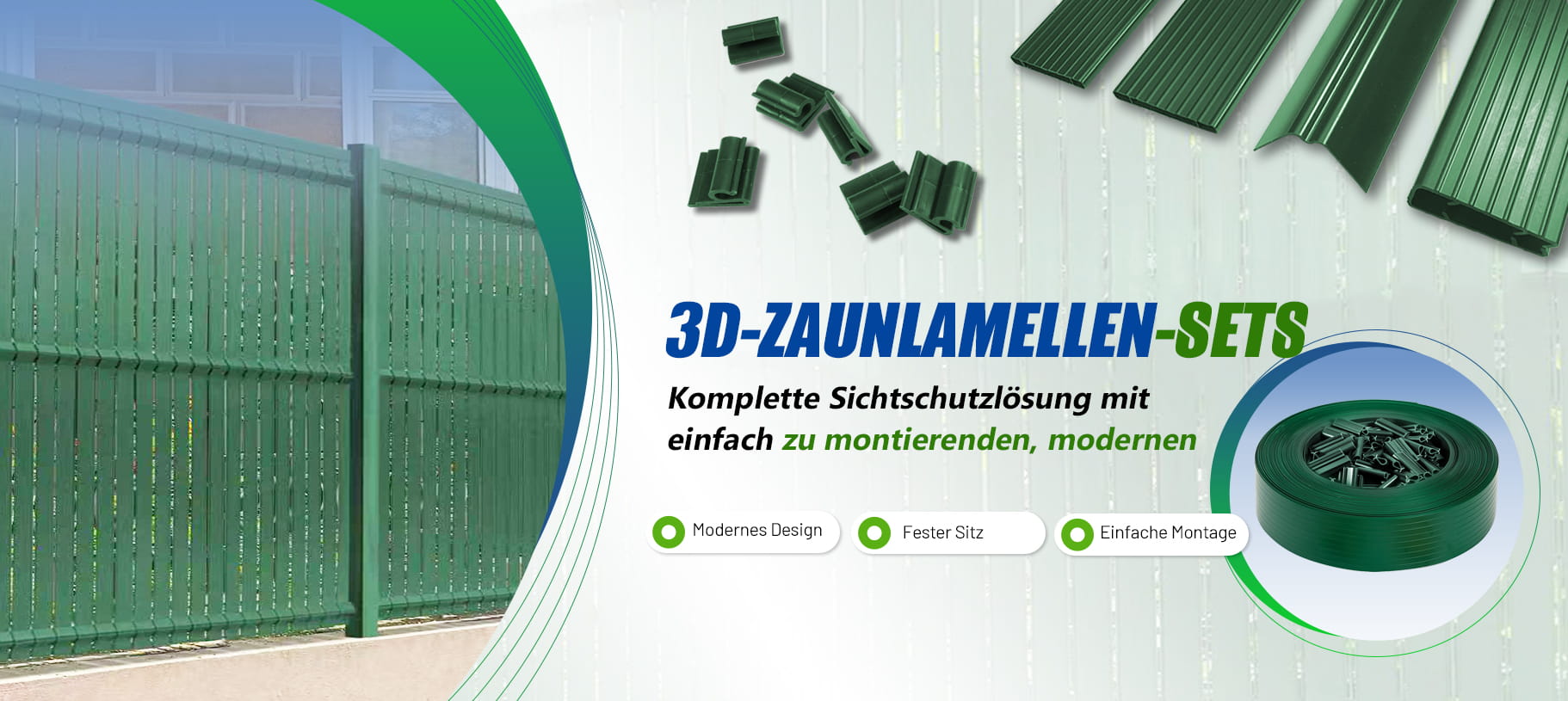
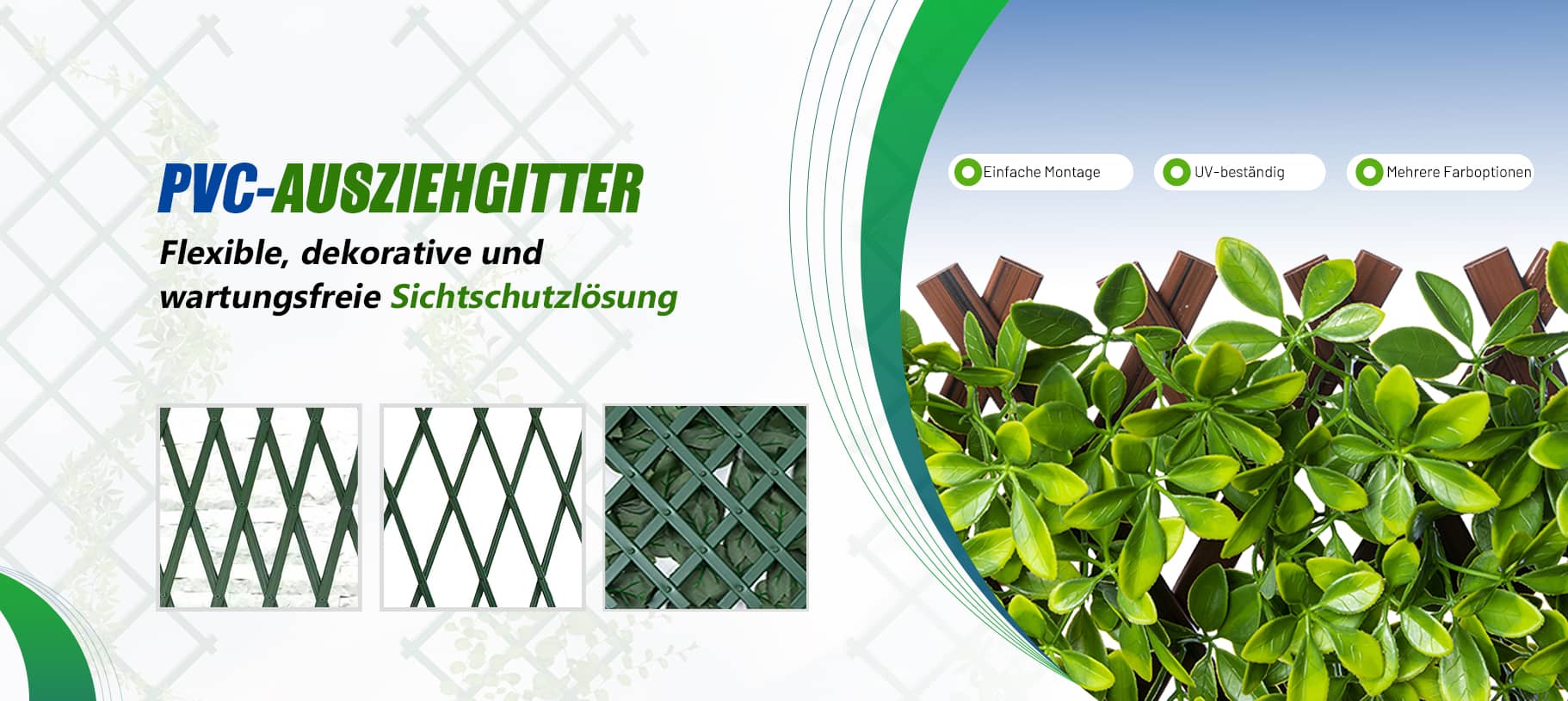
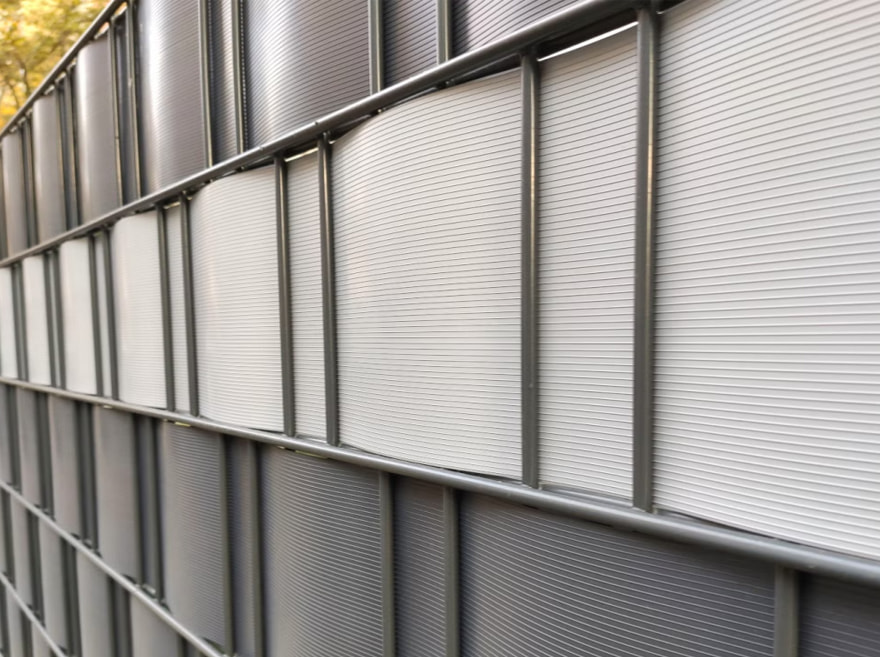
Wir bieten ein umfassendes Sortiment an Kunststoffprodukten für den Außenbereich und Garten an, darunter PP- und PVC-Zaunbänder, Kunststoff-Zaunlamellen, weiche PVC-Streifen, Sichtschutzsysteme, ausziehbare Rankgitter, Rasenkanten sowie weitere verwandte Kunststoffprodukte für den Außenbereich.
Ja. Wir unterstützen die individuelle Anpassung von Größe, Farbe, Oberfläche und Verpackung. Wir können auch neue Formen basierend auf Ihren Zeichnungen oder Mustern entwickeln.
Unsere Produkte bestehen aus UV-beständigen, wetterfesten Materialien und gewährleisten so eine langfristige Leistung im Freien. Vom Rohstoff bis zur Endproduktion wird eine strenge Qualitätskontrolle durchgeführt.
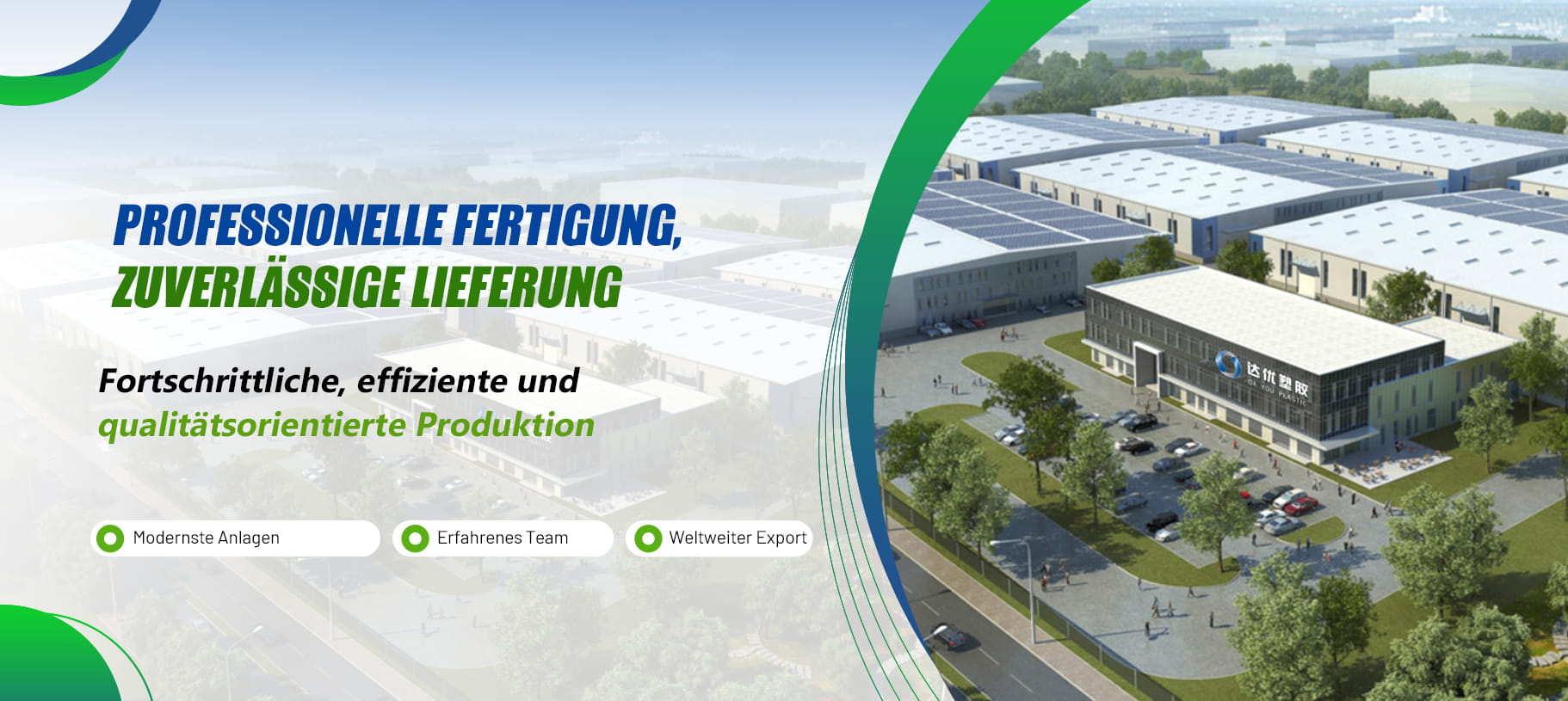
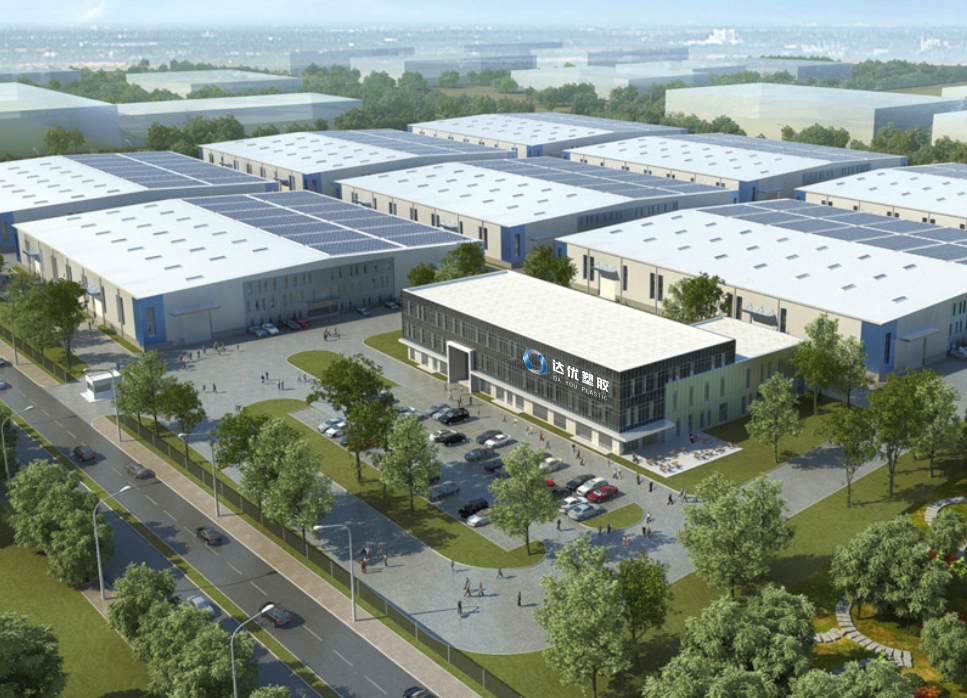
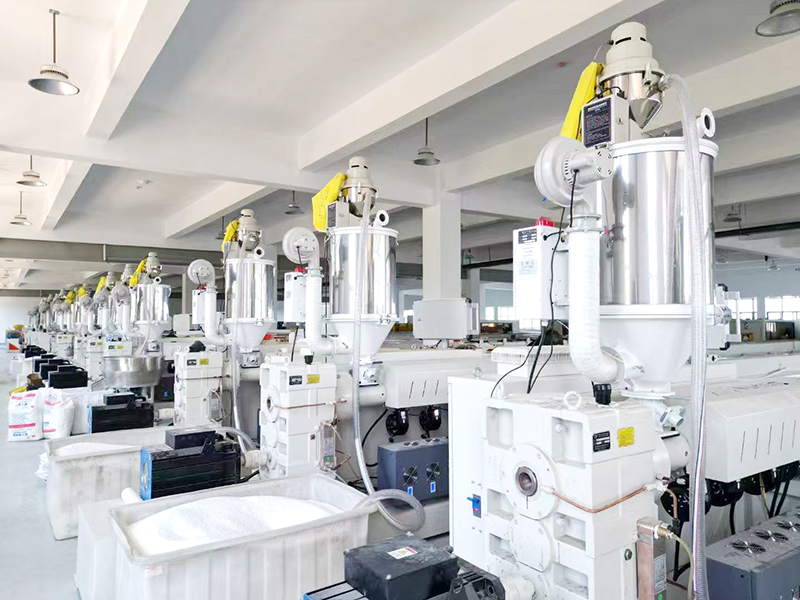
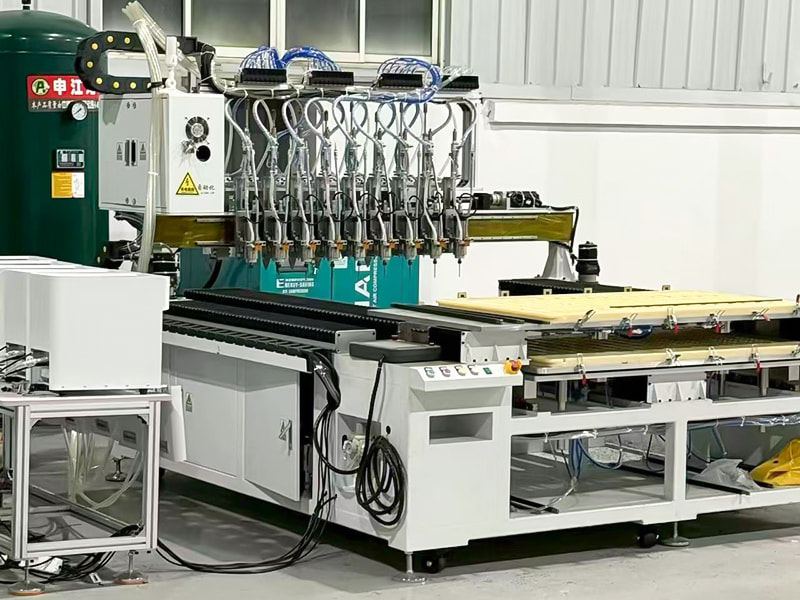
Mit ausgereiften Produktionslinien und stabiler Kapazität gewährleisten wir eine schnelle Lieferung und konsistente Versorgung von Großbestellungen und unterstützen so die langfristige Zusammenarbeit.
WAS IST PASSIERT
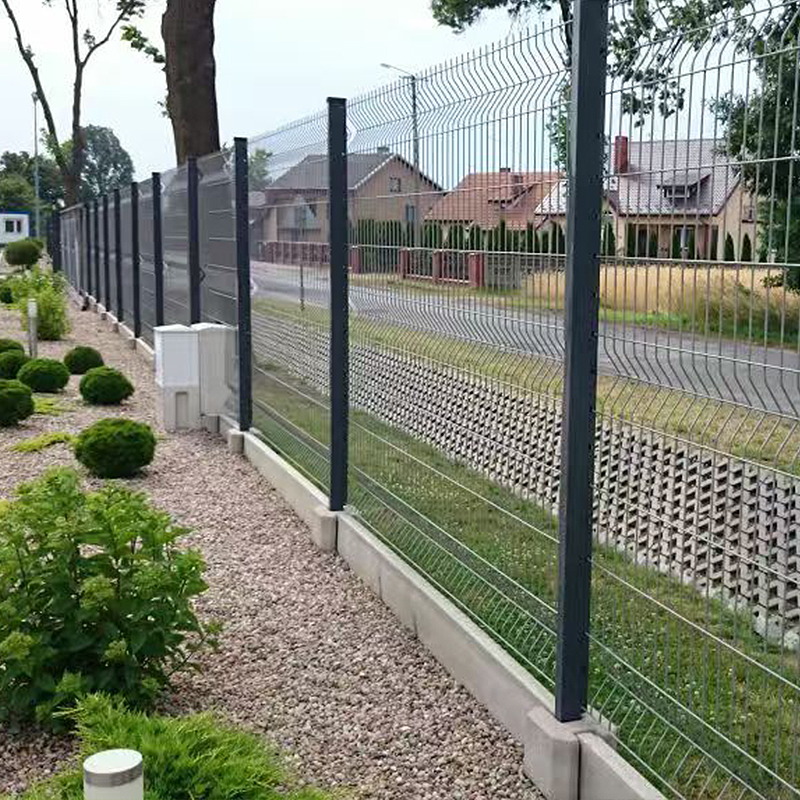
A Zaun ist eine Struktur, die entlang einer Grundstücksgrenze oder -umgrenzung errichtet wird, um eine Grenze zu markieren, den Zugang zu kontrollieren oder eine Trennung zwischen zwei Bereichen bereitzustellen. Zäune gibt es in Wohn-, Gewerbe-, Landwirtschafts- und Industriegebieten, und die richtige Konfiguration hängt vom Material, der Höhe und dem Zweck ab, den ein bestimmtes Projekt erfordert. Dieser Leitfaden führt Sie durch Zauntypen, Bauteile, technische Spezifikationen, Installationsschritte und die Faktoren, die es wert sind, überprüft zu werden, bevor ein Projekt voranschreitet. Was sind die verschiedenen Arten von Zäunen? Zauns are generally categorized by the material used in construction, since material choice affects appearance, cost, maintenance, and expected service life. The comparison below outlines common fence types and how they differ across several practical factors. Zaun Type Typischer Anwendungsfall Wartungsstufe Relative Kosten Holz Privatsphäre und Grenzmarkierung in Wohngebieten Höhere, regelmäßige Beizung oder Versiegelung erforderlich Mäßig Vinyl Wohnprivatsphäre mit geringem Wartungsaufwand Niedriger, nur gelegentliche Reinigung Mäßig to higher Kettenglied Sicherheit von Gewerbe- und Versorgungsgeländen Niedriger, minimaler Wartungsaufwand Niedriger Aluminium Dekorative Begrenzungsmarkierung, Poolüberdachungen Niedriger, resists corrosion well Mäßig Schmiedeeisen oder Stahl Sicherheit und formale Eigentumsgrenzen Höher, Rostschutz im Laufe der Zeit erforderlich Höher Zusammengesetzt Privatsphäre im Wohnraum mit holzähnlicher Optik Niedriger, resists rot and warping Höher Über das Material hinaus werden Zäune auch nach Funktion gruppiert, z. B. Sichtschutzzäune, die mit minimalen Abständen zwischen den Brettern entworfen wurden, Sicherheitszäune, die unter Berücksichtigung von Höhe und Steifigkeit gebaut wurden, und dekorative Zäune, die in erster Linie dazu gedacht sind, eine Grenze zu definieren, ohne die Aussicht vollständig einzuschließen. Was sind die verschiedenen Teile eines Zauns? Unabhängig vom Material verfügen die meisten Zäune über einen gemeinsamen Satz struktureller Komponenten, die zusammenarbeiten, um die Struktur im Laufe der Zeit aufrecht und stabil zu halten. 1 Beiträge In regelmäßigen Abständen in den Boden eingelassene vertikale Stützen bilden das primäre Strukturgerüst des Zauns. 2 Schienen Horizontale Elemente verbinden Pfosten und bieten eine Montagefläche für Latten, Paneele oder Maschenfüllungen. 3 Streikposten oder Paneele Die vertikalen Bretter, Latten oder vorgefertigten Abschnitte, die an den Schienen befestigt sind und die sichtbare Seite des Zauns bilden. 4 Tor Ein schwenkbarer oder verschiebbarer Zugangspunkt, der in die Zaunlinie eingebaut ist und je nach Bedarf für den Durchgang von Fußgängern oder Fahrzeugen ausgelegt ist. 5 Pfostenkappen und Hardware Schutzkappen, Halterungen, Scharniere und Befestigungselemente, die Komponenten zusammenhalten und freiliegende Pfostenoberseiten vor Feuchtigkeit schützen. 6 Stand Um die Basis jedes Pfostens wird Beton oder verdichtetes Material gelegt, um ihn gegen Windlast und Bodenbewegungen zu verankern. Technische Spezifikationen und wichtige Leistungsfaktoren Durch die Überprüfung der Spezifikationsbereiche lässt sich klären, was eine bestimmte Zaunkonfiguration in Bezug auf Höhe, Abstand und strukturelle Belastung wahrscheinlich aushält. Spezifikation Typischer Bereich oder Detail Höhe des Wohnzauns 1,2 m bis 1,8 m für die meisten Sichtschutz- und Grenzzäune Höhe von Gewerbe- oder Sicherheitszäunen Je nach Standort 1,8 m bis 2,4 m oder höher Pfostenabstand 1,8 m bis 2,4 m zwischen den Pfosten für die meisten Paneel- und Pfostenarten Pfostentiefe im Boden Ungefähr ein Drittel der freiliegenden Pfostenhöhe Kettenglied gauge 9-Gauge- bis 11-Gauge-Draht, niedrigere Zahlen bedeuten dickeren Draht Holz picket thickness Üblicherweise 12 mm bis 19 mm, je nach Stil Der Abstand der Pfosten und die Tiefe der Fundamente sind besonders wichtig für die strukturelle Leistung, da Pfosten, die zu flach oder zu weit voneinander entfernt sind, mit der Zeit eher dazu neigen, sich unter Windlast oder Bodenbewegungen zu neigen oder zu verschieben. Wie installiert man einen Zaun? Die Installationsschritte variieren etwas je nach Zauntyp, aber die folgende Reihenfolge spiegelt einen gemeinsamen Ansatz bei den meisten Wohn- und leichten Gewerbeprojekten wider. Bestätigen Sie die Grundstücksgrenze und markieren Sie sie genau, bevor Sie mit dem Graben beginnen, da abseits der Grundstücksgrenze angebrachte Zäune zu Streitigkeiten mit benachbarten Grundstücken führen können. Überprüfen Sie die örtlichen Anforderungen hinsichtlich Höhenbegrenzungen, Rücksetzabständen und etwaigen Genehmigungsanforderungen, die für das Projekt gelten. Markieren Sie die Pfostenpositionen entlang der Zaunlinie in gleichmäßigen Abständen und berücksichtigen Sie dabei etwaige Toröffnungen. Graben Sie Pfostenlöcher bis zur entsprechenden Tiefe aus, im Allgemeinen mindestens ein Drittel der freiliegenden Pfostenhöhe, und setzen Sie die Pfosten in Beton oder verdichtetem Füllmaterial ein. Lassen Sie die Betonfundamente aushärten, bevor Sie die Schienen anbringen, da eine zu frühe Belastung der Pfosten dazu führen kann, dass diese aus der Ausrichtung geraten. Befestigen Sie Schienen zwischen den Pfosten, gefolgt von Latten, Paneelen oder Maschenfüllungen, je nach Zaunstil. Installieren Sie zuletzt die Torbeschläge und prüfen Sie, ob das Tor frei schwingt oder gleitet, sobald die umgebende Struktur vollständig gesichert ist. Was sind die Vorteile eines Zauns? Ein Zaun dient mehreren praktischen Zwecken, die über die bloße Markierung hinausgehen, wo ein Grundstück endet und ein anderes beginnt. Es kann den Zugang zu einem Raum einschränken, was sowohl für die Sicherheit als auch für die Unterbringung von Haustieren oder Kindern in einem definierten Bereich relevant ist. Es bietet auch ein gewisses Maß an Privatsphäre, insbesondere bei Massivplatten- oder Lattenstilen, die die Sicht von angrenzenden Grundstücken oder Straßen einschränken. In gewerblichen und industriellen Umgebungen werden Zäune oft eingesetzt, um den Zugang zum Standort zu kontrollieren, Arbeitsbereiche von öffentlichen Bereichen zu trennen oder Sicherheitsanforderungen am Standort zu erfüllen. Auch ein gepflegter Zaun kann zur Gesamtwahrnehmung eines Grundstücks beitragen, denn eine klar definierte und aufgeräumte Grenze gilt allgemein als Zeichen der Pflege. Wie lange hält ein Zaun normalerweise? Die erwartete Lebensdauer variiert erheblich je nach Material und lokalen Klimabedingungen, insbesondere der Einwirkung von Feuchtigkeit, Sonne und Temperaturschwankungen. Material Typische Lebensdauer Holz 15 bis 20 Jahre bei regelmäßiger Wartung Vinyl 20 bis 30 Jahre, weniger anfällig für Feuchtigkeit und UV-Strahlung Kettenglied 15 bis 20 Jahre, länger bei verzinkter oder beschichteter Oberfläche Aluminium 20 bis 30 Jahre aufgrund der starken Korrosionsbeständigkeit Schmiedeeisen oder Stahl 20 bis 25 Jahre bei regelmäßiger Rostvorbeugung Zusammengesetzt 25 bis 30 Jahre, beständig gegen Fäulnis und Verformung Auswahlüberlegungen und Kauffaktoren Bei der Auswahl einer Zaunkonfiguration müssen im Allgemeinen Zweck, Material, Höhe und Standortbedingungen zusammen und nicht isoliert abgewogen werden. Ein Zaun, der in erster Linie der Privatsphäre dient, erfordert eine solide Paneel- oder Lattenkonstruktion mit minimalen Lücken, während für einen Zaun, der hauptsächlich zur Grenzmarkierung oder zum Einzäunen von Haustieren gedacht ist, eine offenere Konstruktion wie Maschendrahtzaun oder Aluminium verwendet werden kann. Auch die Bodenbeschaffenheit am Standort spielt eine Rolle, da sandiger oder durchnässter Boden möglicherweise tiefere oder breitere Fundamente erfordert als fester, gut durchlässiger Boden. Lokale Höhen- und Abstandsanforderungen sollten frühzeitig bestätigt werden, da diese sich direkt darauf auswirken können, welche Zaunstile für eine bestimmte Grundstücksgrenze zulässig sind. Häufige Fehler und übersehene Überlegungen Ein häufiges Versehen ist die Unterschätzung der Fundamenttiefe im Verhältnis zu den örtlichen Frostbedingungen, was dazu führen kann, dass sich Pfosten während saisonaler Frost- und Tauzyklen in kälteren Klimazonen heben oder verschieben. Ein weiterer häufiger Fehler besteht darin, die Pfosten für das gewählte Füllmaterial zu weit voneinander entfernt anzuordnen, was mit der Zeit eine zusätzliche Belastung für Schienen und Paneele darstellt. Auch die Gate-Hardware ist im Verhältnis zur Gate-Größe und zum Gate-Gewicht manchmal unzureichend spezifiziert, was nach wiederholtem Gebrauch zu Durchhängen oder Fehlausrichtung führt. Schließlich wird die Überprüfung der Grundstücksgrenzen gelegentlich übersprungen oder informell durchgeführt, was zu Streitigkeiten führen kann, wenn der fertiggestellte Zaun nicht mit der vermessenen Grenze übereinstimmt. Wartungs- und Nutzungsempfehlungen Der Wartungsbedarf unterscheidet sich je nach Material, einige Vorgehensweisen gelten jedoch allgemein. Die regelmäßige Überprüfung der Pfosten auf Neigung oder Bewegung hilft dabei, Standprobleme zu erkennen, bevor sie sich verschlimmern. Holzzäune sollten in einem mehrjährigen Zyklus neu versiegelt oder gebeizt werden, um die Feuchtigkeitsbeständigkeit aufrechtzuerhalten, während Metallzäune regelmäßig auf Oberflächenkorrosion überprüft werden sollten, insbesondere in der Nähe von Schweißnähten oder Schnittkanten, wo die Schutzbeschichtung eher durchscheuert. Torbeschläge, einschließlich Scharniere und Riegel, sollten regelmäßig überprüft und geschmiert werden, um ein Festklemmen oder Durchhängen zu verhindern. Branchentrends und Zukunftsaussichten Das Interesse an wartungsarmen Zaunmaterialien wie Vinyl- und Verbundprodukten nimmt weiter zu, da Grundstückseigentümer die langfristige Instandhaltung gegen die Materialkosten im Vorfeld abwägen. Es besteht auch eine anhaltende Nachfrage nach Zäunen, die Sicherheit mit optischer Offenheit in Einklang bringen, insbesondere bei gewerblichen und gemischt genutzten Siedlungen, bei denen eine vollständig solide Umzäunung nicht immer wünschenswert ist. In landwirtschaftlichen und industriellen Anwendungen sind beschichtete und verzinkte Oberflächen nach wie vor eine gängige Methode, um die Lebensdauer von Zäunen zu verlängern, die über viele Jahre rauen Außenbedingungen ausgesetzt sind. Fazit A Zaun dient einer Reihe von Zwecken, von der Markierung einer Grenze bis hin zur Bereitstellung von Privatsphäre oder Sicherheit, und die richtige Konfiguration hängt davon ab, ob Material, Höhe und strukturelle Spezifikationen an den Standort und seine beabsichtigte Nutzung angepasst werden. Die Überprüfung der Pfostenabstände, der Fundamenttiefe und der Materiallebensdauer sowie der örtlichen Anforderungen trägt dazu bei, einen Zaun zu gewährleisten, der während seiner erwarteten Lebensdauer zuverlässig funktioniert. FAQ Welche verschiedenen Arten von Zäunen gibt es? Zu den gängigen Typen gehören Holz, Vinyl, Kettenglieder, Aluminium, Schmiedeeisen oder Stahl sowie Verbundwerkstoffe, die sich jeweils im Wartungsgrad, im Aussehen und im typischen Anwendungsfall unterscheiden. Wie wird ein Zaun normalerweise installiert? Die Installation umfasst im Allgemeinen das Markieren der Grundstücksgrenze, das Setzen von Pfosten in gleichmäßigen Abständen in Betonfundamenten, das Aushärten der Fundamente und das anschließende Anbringen von Schienen, Füllmaterial und Torbeschlägen. Wie lange hält ein Zaun normalerweise? Die Lebensdauer variiert je nach Material und reicht unter typischen Bedingungen von etwa 15 Jahren für Standard-Holzzäune bis zu 25 bis 30 Jahren für Vinyl- oder Verbundzäune. Welche Vorteile hat ein Zaun? Ein Zaun kann eine Grundstücksgrenze definieren, den Zugang aus Sicherheits- oder Eindämmungsgründen einschränken, für mehr Privatsphäre sorgen und dazu beitragen, dass ein Grundstück insgesamt gepflegt aussieht. Aus welchen verschiedenen Teilen besteht ein Zaun? Die meisten Zäune umfassen Pfosten, horizontale Schienen, Latten oder Paneele, ein Tor, Pfostenkappen und -beschläge sowie Beton- oder verdichtete Fundamente zur Verankerung jedes Pfostens. Wie tief sollten Zaunpfosten gesetzt werden? Eine gängige Richtlinie besteht darin, Pfosten in einer Tiefe von etwa einem Drittel ihrer exponierten Höhe zu platzieren, wobei die lokale Frosttiefe und die Bodenbedingungen möglicherweise Anpassungen erfordern. Welche Wartung benötigt ein Zaun im Laufe der Zeit? Die Wartung umfasst in der Regel die Überprüfung der Pfosten auf Bewegung, das regelmäßige Neuversiegeln oder Beizen von Holzoberflächen, die Inspektion von Metallkomponenten auf Korrosion und das Schmieren der Torbeschläge. .fence-guide { font-family: Arial, Helvetica, sans-serif; color: #000; padding: 8px;}.fence-guide .fg-intro { font-size: 16px; line-height: 1.8; padding: 18px 20px; border: 2px solid #02459e; border-radius: 4px; margin-bottom: 30px;}.fence-guide .fg-intro a { color: #02459e; font-weight: 700; text-decoration: underline;}.fence-guide .fg-block { margin-bottom: 34px;}.fence-guide .fg-block h2 { font-size: 21px; color: #02459e; border-bottom: 3px solid #3eb31a; display: inline-block; padding-bottom: 6px; margin-top: 0; margin-bottom: 16px;}.fence-guide .fg-block p { font-size: 15px; line-height: 1.8; margin-bottom: 12px;}.fence-guide .fg-block a { color: #02459e; font-weight: 700; text-decoration: underline;}.fence-guide .fg-table { width: 100%; border-collapse: collapse; margin: 14px 0 10px 0; font-size: 14px;}.fence-guide .fg-table-compare th { background-color: #02459e; color: #ffffff; text-align: left; font-size: 14px; padding: 10px 12px;}.fence-guide .fg-table-spec th { background-color: #3eb31a; color: #ffffff; text-align: left; font-size: 14px; padding: 10px 12px;}.fence-guide .fg-table td { padding: 10px 12px; font-size: 14px; border-bottom: 1px solid #d8d8d8;}.fence-guide .fg-table-compare tr:nth-child(even) td,.fence-guide .fg-table-spec tr:nth-child(even) td { background-color: #f2f6fb;}.fence-guide .fg-parts-grid { display: grid; grid-template-columns: repeat(2, 1fr); gap: 14px; margin-top: 18px;}.fence-guide .fg-part { display: flex; gap: 12px; align-items: flex-start; border: 1px solid #d8e6f5; border-radius: 4px; padding: 14px 16px;}.fence-guide .fg-part-num { flex-shrink: 0; width: 28px; height: 28px; border-radius: 50%; background-color: #3eb31a; color: #ffffff; font-size: 14px; font-weight: 700; display: flex; align-items: center; justify-content: center;}.fence-guide .fg-part strong { display: block; font-size: 15px; color: #02459e; margin-bottom: 4px;}.fence-guide .fg-part p { font-size: 14px; line-height: 1.7; margin-bottom: 0;}.fence-guide .fg-install { background-color: #f2f6fb; border-radius: 4px; padding: 20px 22px;}.fence-guide .fg-steps { margin: 14px 0 0 0; padding-left: 20px;}.fence-guide .fg-steps li { font-size: 15px; line-height: 1.8; margin-bottom: 10px;}.fence-guide .fg-conclusion { border-top: 3px solid #02459e; border-bottom: 3px solid #3eb31a; padding: 20px 4px; margin-bottom: 32px;}.fence-guide .fg-conclusion h2 { font-size: 21px; color: #02459e; margin-top: 0; margin-bottom: 12px;}.fence-guide .fg-conclusion p { font-size: 15px; line-height: 1.8; margin-bottom: 0;}.fence-guide .fg-conclusion a { color: #02459e; font-weight: 700; text-decoration: underline;}.fence-guide .fg-faq h2 { font-size: 21px; color: #02459e; margin-bottom: 16px;}.fence-guide .fg-faq-item { border-left: 3px solid #3eb31a; padding: 4px 0 4px 16px; margin-bottom: 16px;}.fence-guide .fg-faq-item h3 { font-size: 15px; color: #02459e; margin-top: 0; margin-bottom: 6px;}.fence-guide .fg-faq-item p { font-size: 14px; margin-bottom: 0; line-height: 1.7;}@media (max-width: 600px) { .fence-guide .fg-parts-grid { grid-template-columns: 1fr; } .fence-guide .fg-block h2, .fence-guide .fg-conclusion h2, .fence-guide .fg-faq h2 { font-size: 18px; } .fence-guide .fg-block p, .fence-guide .fg-steps li, .fence-guide .fg-table th, .fence-guide .fg-table td { font-size: 14px; } .fence-guide .fg-table th, .fence-guide .fg-table td { padding: 8px 10px; }}
Mehr lesen+Bei Bauprojekten werden zunehmend Produkte auf Polymerbasis eingesetzt, wenn Gewicht, Korrosion und die langfristige Einwirkung von Witterungseinflüssen im Vordergrund stehen. In diesem Artikel werden die Zusammensetzung, Leistungsmerkmale, technischen Spezifikationen und praktischen Anwendungen von untersucht Baumaterial aus Kunststoff , zusammen mit den Faktoren, die die Materialauswahl für verschiedene Projektumgebungen beeinflussen. Schichtplattenquerschnitt Äußere Wetterschicht / Kernstruktur / innere Oberflächenschicht Vereinfachte Darstellung einer mehrschichtigen Bauplattenstruktur aus Kunststoff, erstellt als Originalgrafik zu Referenzzwecken. Kunststoffbaustoffe verstehen Der Begriff beschreibt eine breite Kategorie von Produkten auf Polymerbasis, die für strukturelle, schützende oder dekorative Zwecke im Bauwesen hergestellt werden. Im Gegensatz zu Produkten aus einem einzigen Material wie Massivholz oder Walzstahl werden Baumaterialien aus Kunststoff typischerweise durch Polymerisations- und Extrusions- oder Formverfahren hergestellt, die es den Herstellern ermöglichen, Dicke, Dichte, Oberflächentextur und Zusatzstoffgehalt präzise zu steuern. Dieses Maß an Kontrolle ermöglicht die Herstellung von Platten, Blechen, Profilen und Formteilen mit gleichbleibenden Leistungsmerkmalen über große Produktionsläufe hinweg. Die meisten Produkte in dieser Kategorie werden aus thermoplastischen oder duroplastischen Harzen hergestellt. Thermoplaste wie Polyvinylchlorid (PVC), hochdichtes Polyethylen (HDPE) und Polypropylen (PP) können erneut erhitzt und umgeformt werden, was bestimmte Herstellungseffizienzen und Recyclingwege unterstützt. Duroplastische Verbundwerkstoffe, einschließlich glasfaserverstärkter Kunststoffe (FRP oder GFK), durchlaufen einen irreversiblen Aushärtungsprozess, der nach der Bildung eine starre, formstabile Struktur erzeugt. Das Verständnis dieser Unterscheidung ist ein nützlicher Ausgangspunkt beim Vergleich von Produktoptionen, da sich der Harztyp direkt auf das mechanische Verhalten, die Hitzetoleranz und die Recyclingfähigkeit auswirkt. Im Baugewerbe werden Baustoffe aus Kunststoff selten als pauschaler Ersatz für jede Anwendung eingesetzt. Stattdessen wird es tendenziell dort spezifiziert, wo seine besonderen Eigenschaften, wie z. B. Beständigkeit gegen Feuchtigkeit, Korrosion oder chemische Einwirkung, einen klaren funktionalen Vorteil gegenüber herkömmlichen Materialien bieten. Der Herstellungsprozess, der zur Herstellung einer bestimmten Platte oder eines bestimmten Profils verwendet wird, hat direkten Einfluss auf dessen endgültige Eigenschaften. Bei der Extrusion, dem für PVC- und HDPE-Profile am häufigsten verwendeten Verfahren, wird erhitztes Harz durch eine geformte Düse gepresst, um eine kontinuierliche Materiallänge mit einem gleichmäßigen Querschnitt zu erzeugen. Diese Methode ist effizient für die Herstellung langer Abstellgleise, Zierleisten oder Rohrleitungen mit engen Maßtoleranzen. Im Gegensatz dazu wird Spritzguss typischerweise für kleinere Komponenten mit komplexerer Geometrie verwendet, wie zum Beispiel Armaturen, Steckverbinder und geformte Zubehörteile. Beim Formpressen und Pultrudieren, die hauptsächlich für FRP-Verbundwerkstoffe eingesetzt werden, werden Verstärkungsfasern unter Hitze und Druck in die Harzmatrix eingebettet. Dadurch entsteht ein Material mit deutlich höherer Steifigkeit und Tragfähigkeit als unverstärkte Thermoplaste. Auch Additivpakete beeinflussen die Leistung auf eine Weise, die aus einer allgemeinen Produktbeschreibung nicht immer ersichtlich ist. UV-Stabilisatoren, typischerweise gehinderte Amin-Lichtstabilisatoren oder UV-Absorber, werden in das Harz eingemischt, um den Abbau von Polymerketten bei längerer Sonneneinstrahlung zu verlangsamen. Flammhemmende Additive verändern das Verbrennungsverhalten des Basisharzes und tragen so dazu bei, dass Produkte bestimmte Brandschutzklassifizierungsanforderungen erfüllen. Schlagzähmodifikatoren verbessern die Widerstandsfähigkeit gegen Rissbildung bei plötzlicher mechanischer Belastung, was besonders für Produkte relevant ist, die in Bereichen eingesetzt werden, die zufälligen Stößen ausgesetzt sind, wie z. B. Laderampen oder Gerätehallen. Da diese Additivpakete von Hersteller zu Hersteller und sogar zwischen Produktlinien desselben Herstellers variieren, bleiben technische Datenblätter die zuverlässigste Informationsquelle über das tatsächliche Leistungsprofil eines bestimmten Produkts und nicht allgemeine Annahmen über den Basisharztyp. Gängige Arten von Kunststoffen, die im Bauwesen verwendet werden Polyvinylchlorid (PVC) PVC ist einer der am häufigsten hergestellten Baukunststoffe und wird in Profilen, Verkleidungen, Rohrsystemen, Fensterrahmen und Verkleidungsteilen verwendet. Es bietet eine gute Dimensionsstabilität, Beständigkeit gegen Feuchtigkeitsaufnahme und relativ niedrige Materialkosten im Vergleich zu mehreren alternativen Polymeren. Hart-PVC-Formulierungen werden häufig dort verwendet, wo eine feste, pflegeleichte Oberfläche erforderlich ist. Polyethylen hoher Dichte (HDPE) HDPE wird wegen seiner Schlagfestigkeit und chemischen Inertheit geschätzt. Es eignet sich gut für Anwendungen, bei denen Kontakt mit Erde, Wasser oder milden chemischen Stoffen besteht, was es zu einer häufigen Wahl für unterirdische Komponenten, Auskleidungen und bestimmte Entwässerungs- oder Eindämmungsstrukturen macht. Polypropylen (PP) PP bietet ein günstiges Festigkeits-Gewichts-Verhältnis und eine gute Ermüdungsbeständigkeit und eignet sich daher für Bauteile, die wiederholter Biegung oder mechanischer Beanspruchung ausgesetzt sind, wie z. B. Wellblech und bestimmte Innenausstattungen. Polycarbonat (PC) Polycarbonatplatten werden dort eingesetzt, wo neben der Schlagfestigkeit auch Transparenz oder Lichtdurchlässigkeit erforderlich ist, beispielsweise bei Oberlichtern, Vordächern und Verglasungen. Es lässt das Licht effektiv durch und bietet gleichzeitig eine deutlich höhere Schlagfestigkeit als Standardglas. Glasfaserverstärkter Kunststoff (FRP / GFK) FVK-Verbundwerkstoffe kombinieren eine Polymerharzmatrix mit Glasfaserverstärkung und erzeugen so ein Material mit deutlich höherer struktureller Festigkeit als unverstärkte Kunststoffe. FRP-Platten werden aufgrund ihrer Beständigkeit gegenüber Feuchtigkeit, Chemikalieneinwirkung und wiederholten Waschzyklen häufig für Wandverkleidungen in Lebensmittelverarbeitungs-, Landwirtschafts- und Industrieumgebungen eingesetzt. Wichtige Eigenschaften und Leistungsmerkmale Mehrere Leistungsmerkmale unterscheiden Kunststoffbaustoffe von herkömmlichen Baustoffen und bestimmen, wie sie innerhalb eines Projekts spezifiziert werden. Korrosions- und Rostbeständigkeit: Im Gegensatz zu Eisenmetallen oxidieren die meisten Konstruktionskunststoffe nicht, was in feuchten oder küstennahen Umgebungen kein großes Wartungsproblem darstellt. Reduziertes Gewicht: Kunststoffplatten und -profile sind im Allgemeinen leichter als gleichwertige Metall- oder Betonbauteile, was die strukturellen Belastungsanforderungen reduzieren und die Handhabung bei der Installation vereinfachen kann. Feuchtigkeitsbeständigkeit: Nicht poröse Oberflächen begrenzen die Wasseraufnahme und verringern das Risiko von Schwellungen, Verformungen oder mikrobiellem Wachstum, das bei einigen organischen Materialien auftritt. Chemische Beständigkeit: Abhängig vom jeweiligen Harz vertragen viele Formulierungen den Kontakt mit milden Säuren, Laugen, Salzen und Reinigungsmitteln ohne nennenswerte Beeinträchtigung. Wärmedämmbeitrag: Bestimmte Schaumstoffkern- oder mehrwandige Kunststoffplatten tragen zu einem messbaren Dämmwert bei, der die Leistung der Gebäudehülle unterstützen kann. Bearbeitbarkeit: Kunststoffteile können in der Regel mit Standardwerkzeugen geschnitten, gebohrt und befestigt werden, was Anpassungen vor Ort ohne Spezialausrüstung ermöglicht. Diese Eigenschaften gelten nicht einheitlich für jedes Kunststoffprodukt. UV-Stabilität, Brandverhalten und langfristige strukturelle Steifigkeit variieren erheblich je nach Harztyp, Additivpaket und Herstellungsverfahren. Aus diesem Grund sollten technische Spezifikationen immer für das jeweilige Produkt überprüft und nicht von der allgemeinen Materialkategorie übernommen werden. Auch das Strukturverhalten unter Last unterscheidet sich von herkömmlichen Materialien in einer Weise, die sich auf Designentscheidungen auswirkt. Kunststoffe weisen im Allgemeinen einen geringeren Elastizitätsmodul als Stahl oder Beton auf, was bedeutet, dass sich Platten und Profile unter einer bestimmten Belastung stärker durchbiegen. Diese Eigenschaft ist nicht unbedingt ein Nachteil; Bei manchen Anwendungen, etwa bei Aufprallschutzwänden oder flexiblen Verkleidungssystemen, ist ein gewisses Maß an kontrollierter Biegung von Vorteil, da das Material dadurch Energie absorbieren kann, anstatt zu brechen. Bei tragenden Strukturanwendungen bedeutet diese geringere Steifigkeit jedoch typischerweise, dass Kunststoffkomponenten durch zusätzliche Rahmen, engere Stützabstände oder Faserverstärkung ergänzt werden, um die erforderliche Steifigkeit zu erreichen. Das thermische Verhalten ist ein weiterer Bereich, in dem sich Kunststoffmaterialien messbar von Metallen und Mauerwerk unterscheiden. Polymere haben im Allgemeinen einen um ein Vielfaches höheren Wärmeausdehnungskoeffizienten als Stahl, was bedeutet, dass sich Platten bei saisonalen oder täglichen Temperaturschwankungen deutlicher ausdehnen und zusammenziehen. Diese Eigenschaft beeinträchtigt die Materialintegrität nicht, wenn sie bei der Konstruktion ordnungsgemäß berücksichtigt wird. Sie bedeutet jedoch, dass Befestigungssysteme, Verbindungsabstände und Verkleidungsdetails diese Bewegung aufnehmen müssen, anstatt sie starr einzuschränken. Technische Spezifikationen Die folgende Tabelle fasst typische Eigenschaftsbereiche für gängige Kunststoffbaustoffkategorien zusammen. Die tatsächlichen Werte variieren je nach Hersteller, Rezeptur und Plattendicke, daher sollten bei projektkritischen Entscheidungen produktspezifische Datenblätter herangezogen werden. Eigentum PVC HDPE Polycarbonat FRP-Verbundwerkstoff Dichte (g/cm3) 1,35 - 1,45 0,94 - 0,96 1,20 - 1,22 1,50 - 1,90 Zugfestigkeit (MPa) 40 - 55 20 - 30 60 - 70 100 - 200 Betriebstemperaturbereich -10 °C bis 60 °C -40 °C bis 80 °C -40 °C bis 120 °C -30 °C bis 120 °C UV-Beständigkeit Mäßig bis hoch mit Stabilisatoren Mäßig Hoch mit Beschichtung Hoch Typische Lebensdauer 15 - 25 Jahre 20 - 30 Jahre 10 - 20 Jahre 20 - 30 Jahre Allgemeine Optionen für die Brandschutzbewertung Klasse B verfügbar Klasse B/C verfügbar Klasse B verfügbar Klasse A verfügbar Anwendungen in Bauprojekten Wandverkleidungen und Innenverkleidungen Kunststoffplatten werden üblicherweise zur Verkleidung von Innenwänden in Umgebungen verwendet, in denen häufiges Abwaschen oder Beständigkeit gegen chemische Spritzer erforderlich ist, beispielsweise in der Lebensmittelproduktion, in Kühlhäusern und in landwirtschaftlichen Gebäuden. Ihre porenfreie Oberfläche vereinfacht die Hygiene im Vergleich zu gestrichenen Trockenbauwänden oder Sichtmauerwerk. Dachdeckerarbeiten und Glasarbeiten Gewellte und mehrwandige Kunststoffplatten werden für Oberlichter, Gewächshausdächer, Vordächer und Sekundärdächer verwendet, bei denen Lichtdurchlässigkeit bei gleichzeitiger Witterungsbeständigkeit erforderlich ist. Schalung und temporäre Bauten Wiederverwendbare Schalungssysteme aus Kunststoff werden im Betonbau eingesetzt, um die Abhängigkeit von Holzschalungen zu verringern. Sie bieten eine glattere Oberfläche und mehrere Wiederverwendungszyklen bei korrekter Wartung. Landwirtschaftliche und Viehzuchtgebäude Aufgrund der Chemikalien- und Feuchtigkeitsbeständigkeit eignen sich Kunststoffplatten für Stallinnenräume, Futterlagerstrukturen und andere landwirtschaftliche Anwendungen, bei denen die Einwirkung von Ammoniak oder häufiges Abwaschen unbehandeltes Holz oder ungeschützten Stahl beschädigen würde. Entwässerung, Rohrleitungen und unterirdische Komponenten HDPE- und PVC-Rohrleitungssysteme bleiben aufgrund ihrer Beständigkeit gegenüber Bodenchemikalien und Korrosion über längere Betriebszeiträume eine Standardwahl für Entwässerungs-, Wasserversorgungs- und Leitungsanwendungen. Trennwände, Zäune und Geländeabsperrungen Geformte und extrudierte Kunststoffkomponenten werden auch für Innentrennwände, Umzäunungen und temporäre Baustellenabsperrungen verwendet. Bei diesen Anwendungen haben Witterungsbeständigkeit und geringer Wartungsaufwand häufig Vorrang vor maximaler struktureller Belastbarkeit, da die Komponenten typischerweise eher eine trennende oder umschließende Funktion erfüllen als ein erhebliches strukturelles Gewicht zu tragen. Bei all diesen Anwendungen ist die zugrunde liegende Rechtfertigung für die Spezifikation von Baumaterialien aus Kunststoff in der Regel eine Kombination aus reduzierter Wartung über den gesamten Lebenszyklus, Widerstandsfähigkeit gegenüber bestimmten Umwelteinflüssen wie Feuchtigkeit oder Chemikalieneinwirkung und der durch ein geringeres Gewicht der Komponenten erzielten Installationseffizienz. Wenn diese Faktoren mit den Projektprioritäten übereinstimmen, stellen Kunststoffprodukte oft eine praktische Option dar, die es wert ist, neben herkömmlichen Materialien geprüft zu werden. Kunststoff vs. traditionelle Baumaterialien Die Wahl zwischen Kunststoffbaustoff und herkömmlichen Materialien wie Holz, Stahl oder Beton hängt von den projektspezifischen Prioritäten ab. Der folgende Vergleich zeigt allgemeine Tendenzen bei gängigen Bewertungskriterien. Kriterien Baumaterial aus Kunststoff Holz Stahl Beton Korrosions-/Fäulnisbeständigkeit Hoch Niedrig ohne Behandlung Niedrig ohne Beschichtung Hoch Gewicht Niedrig Mäßig Hoch Sehr hoch Installationsgeschwindigkeit Schnell Mäßig Mäßig Langsam Wartungsbedarf Niedrig Mäßig to High Mäßig Niedrig Strukturelle Tragfähigkeit Mäßig Mäßig to High Hoch Hoch Feuerleistung Variiert je nach Klasse Brennbar Nicht brennbar Nicht brennbar Kunststoffprodukte schneiden im Allgemeinen gut ab, wenn Korrosionsbeständigkeit, Gewichtsreduzierung und schnelle Installation im Vordergrund stehen. Bei Anwendungen, die eine sehr hohe strukturelle Belastbarkeit oder bestimmte Brandschutzklassifizierungen erfordern, können andere Materialien oder verstärkte Verbundwerkstoffvarianten besser geeignet sein, und dieser Vergleich sollte als allgemeiner Leitfaden und nicht als Ersatz für eine projektspezifische technische Überprüfung betrachtet werden. Auswahlüberlegungen und Kauffaktoren Mehrere Faktoren beeinflussen den Grad und die Art von Baumaterial aus Kunststoff für ein bestimmtes Projekt geeignet ist. Umweltbelastung: Küstenumgebungen, Umgebungen mit hoher Luftfeuchtigkeit oder chemisch aktive Umgebungen erfordern Materialien mit bestätigter Korrosions- und Chemikalienbeständigkeit. Brandschutzrechtliche Anforderungen: Örtliche Bauvorschriften legen häufig Mindestbrandklassifizierungen fest, die vor der Spezifikation anhand der Produktdokumentation überprüft werden müssen. Dauer der UV-Einwirkung: Produkte, die für eine längere Verwendung im Freien vorgesehen sind, sollten UV-stabilisierende Zusätze enthalten, um eine langfristige Schädigung und Verfärbung der Oberfläche zu begrenzen. Belastung und statische Anforderungen: Plattendicke und Verstärkung sollten an die zu erwartenden Wind-, Schnee- oder mechanischen Belastungen für die beabsichtigte Anwendung angepasst werden. Maß- und Befestigungskompatibilität: Durch die vorherige Bestätigung der Plattenabmessungen, Kantenprofile und Befestigungssysteme werden Montageanpassungen vor Ort reduziert. Dokumentation und Zertifizierung: Bei Projekten mit behördlichen Berichtspflichten sollten technische Datenblätter, Brandtestergebnisse und Compliance-Dokumentation überprüft werden. Die Beurteilung der Umweltexposition geht typischerweise über eine allgemeine Klimabeschreibung hinaus. In Küstengebieten gelangen Salze in die Luft, die den Oberflächenabbau einiger Formulierungen beschleunigen können, auch wenn Kunststoffe nicht so korrodieren wie Metalle. In industriellen Umgebungen kann es zu einer Exposition gegenüber bestimmten Lösungsmitteln, Ölen oder Reinigungsmitteln kommen, die unterschiedlich mit unterschiedlichen Harzchemien interagieren. Daher sind die von den Herstellern veröffentlichten Tabellen zur chemischen Kompatibilität eine nützliche Referenz, wenn bei einem Projekt ein bekannter chemischer Kontakt besteht. Die Auswahl der Plattendicke und der Verstärkung sollte nicht nur die zu erwartenden statischen Belastungen berücksichtigen, sondern auch vorübergehende Belastungen wie Windböen, Fußgängerverkehr während des Wartungszugangs oder Stöße durch Handhabungsgeräte in Industrieumgebungen. Liegt ein Projekt in der Nähe der Grenze zwischen Standard- und Hochleistungsproduktqualitäten, bedeutet die Festlegung der höheren Qualität häufig einen geringfügigen Kostenanstieg im Verhältnis zum Risiko eines vorzeitigen Ausfalls oder den Kosten für die Sanierung nach der Installation. Besondere Aufmerksamkeit verdient die Dimensionskompatibilität, wenn es bei einem Projekt darum geht, Kunststoffkomponenten in bestehende Strukturrahmen oder angrenzende Materialien zu integrieren. Durch die Bestätigung der Paneelbreite, der Überlappungstoleranzen und der Befestigungsabstände im Vergleich zum Rahmenlayout vor der Bestellung können Sie Zuschnitte vor Ort, Verschwendung und Terminverzögerungen vermeiden, die durch nicht übereinstimmende Abmessungen entstehen können, die nach der Lieferung festgestellt werden. Installation, Handhabung und Wartung Die richtige Handhabung bei Transport und Einbau trägt dazu bei, die Leistungseigenschaften von Kunststoffbaustoffen zu erhalten. Die Paneele sollten flach oder vertikal gelagert werden, wie vom Hersteller angegeben, vor der Installation vor längerer direkter Sonneneinstrahlung geschützt und von Oberflächen ferngehalten werden, die die fertige Oberfläche zerkratzen oder beschädigen könnten. Bei der Installation sollte die Wärmeausdehnung berücksichtigt werden, da sich Kunststoffe bei Temperaturschwankungen im Allgemeinen stärker ausdehnen und zusammenziehen als Metall oder Mauerwerk. Befestigungslöcher werden häufig als leicht überdimensioniert spezifiziert, um diese Bewegung aufzunehmen, ohne dass es zu Spannungsrissen an den Befestigungspunkten kommt. Die routinemäßige Wartung beschränkt sich in der Regel auf die regelmäßige Reinigung mit milden, nicht scheuernden Lösungen und die Sichtprüfung von Befestigungselementen, Nähten und Kantenbesätzen. Da Kunststoffoberflächen im Gegensatz zu einigen organischen Materialien nicht neu gestrichen oder versiegelt werden müssen, sind die laufenden Wartungskosten über die Lebensdauer des Materials häufig geringer. Zum Schneiden und Bohren von Kunststoffplatten sind im Allgemeinen Standardwerkzeuge für die Holz- oder Metallbearbeitung erforderlich. Die Auswahl der Klinge hat jedoch Einfluss auf die Qualität der fertigen Kante. Fein gezahnte Klingen reduzieren das Abplatzen entlang der Schnittkanten, insbesondere bei mehrwandigen oder laminierten Platten. Bei der Befestigung werden üblicherweise selbstschneidende Schrauben mit breitem Flanschkopf verwendet, um den Klemmdruck über eine größere Oberfläche zu verteilen und so die Wahrscheinlichkeit einer lokalen Spannungskonzentration um den Befestigungspunkt herum zu verringern. Vorgebohrte, übergroße Löcher in Kombination mit einer Unterlegscheibe ermöglichen eine leichte Verschiebung der Platte beim Ausdehnen und Zusammenziehen, ohne dass die Spannung direkt auf das Befestigungselement übertragen wird. Eine saisonale Inspektion ist in den meisten Klimazonen eine sinnvolle Praxis, insbesondere nach Phasen starker Temperaturschwankungen oder Unwettern. Durch die Überprüfung auf gelockerte Befestigungselemente, Lücken an den Plattenverbindungen und Anzeichen von Kreidebildung oder Verfärbung der Oberfläche können kleinere Probleme behoben werden, bevor sie die Wetterdichtigkeit der Installation beeinträchtigen. Bei Anwendungen, die häufig Chemikalien ausgesetzt sind, wie etwa in der Landwirtschaft oder in Verarbeitungsumgebungen, kann regelmäßiges Spülen zur Entfernung von Rückständen dazu beitragen, die Oberflächenbeschaffenheit zu bewahren und die effektive Lebensdauer des Materials zu verlängern. Häufige Fehler und übersehene Überlegungen Ein häufiges Versehen besteht darin, ein Kunststoffprodukt allein aufgrund der allgemeinen Kategorie auszuwählen, ohne die spezifische Harzformulierung und das Additivpaket zu bestätigen, was zu vorzeitigem UV-Abbau oder unerwarteter Sprödigkeit in kalten Klimazonen führen kann. Ein weiteres häufiges Problem besteht darin, dass die Wärmeausdehnung bei der Befestigung nicht berücksichtigt wird, was im Laufe der Zeit zum Knicken der Platte oder zum Durchziehen der Befestigungselemente führen kann. Auch die Brandklassifizierung wird manchmal in frühen Planungsphasen übersehen, um später im Genehmigungsverfahren als Compliance-Problem ans Licht zu kommen. Die Bestätigung der Brandschutzanforderungen bei der zuständigen örtlichen Behörde vor der endgültigen Materialauswahl trägt dazu bei, kostspielige Ersetzungen im späteren Verlauf eines Projekts zu vermeiden. Schließlich unterschätzen einige Projekte die Bedeutung einer ordnungsgemäßen Kantenversiegelung und Zierleistendetails, die die Plattenkanten vor dem Eindringen von Feuchtigkeit schützen und dabei helfen, die strukturelle Integrität des Materials an Verbindungen und Abschlüssen langfristig aufrechtzuerhalten. Ein weiterer Aspekt, der manchmal unterschätzt wird, ist die Wechselwirkung zwischen Kunststoffkomponenten und angrenzenden Materialien mit deutlich unterschiedlichen Wärmeausdehnungsraten. Wenn eine Kunststoffplatte starr an einem Stahl- oder Aluminiumrahmen befestigt wird, ohne dass unterschiedliche Bewegungen berücksichtigt werden, kann sich die resultierende Spannung an den Befestigungspunkten konzentrieren und bei wiederholten thermischen Zyklen zu Rissen rund um die Befestigungslöcher führen. Durch die Angabe von geschlitzten Befestigungsdetails oder dehnungstoleranten Verkleidungssystemen in der Entwurfsphase wird dieses Problem normalerweise gelöst, ohne dass sich die Gesamtinstallation erheblich erhöht. Gelegentlich werden auch die Lagerbedingungen vor der Installation außer Acht gelassen. Bei Paneelen, die vor der Installation längere Zeit direktem Sonnenlicht ausgesetzt sind, kann es vor der Inbetriebnahme zu einer vorzeitigen Oberflächenverschlechterung kommen, insbesondere bei Formulierungen ohne UV-Stabilisierung für den Innenbereich. Die Überprüfung der Lagerungsrichtlinien des Herstellers und die Planung der Lieferung näher am Installationsdatum tragen dazu bei, diese vermeidbare Ursache für vorzeitigen Materialverschleiß zu vermeiden. Fazit Kunststoffbaustoffe spielen im modernen Bauwesen eine besondere Rolle. Sie bieten Korrosionsbeständigkeit, reduziertes Gewicht und geringen Wartungsaufwand und bewältigen spezifische Herausforderungen, die herkömmliche Materialien nicht immer effizient lösen. Wie bei jedem Baumaterial hängt die geeignete Auswahl davon ab, ob der Harztyp, die Plattenspezifikation und die Installationsmethode den Anforderungen der beabsichtigten Anwendung entsprechen. Die Prüfung der technischen Dokumentation und der anwendungsspezifischen Anforderungen vor der Spezifikation trägt dazu bei, dies sicherzustellen Baumaterial aus Kunststoff über die gesamte vorgesehene Lebensdauer hinweg die erwartete Leistung erbringt. Häufig gestellte Fragen Welches Material wird üblicherweise für den Kunststoffbau verwendet? Zu den im Baugewerbe häufig verwendeten Harztypen gehören PVC, HDPE, Polypropylen, Polycarbonat und glasfaserverstärkter Kunststoff (FRP), die jeweils auf der Grundlage der mechanischen und umweltbezogenen Anforderungen der jeweiligen Anwendung ausgewählt werden. Was ist Kunststoff als Baustoff? Es bezieht sich auf Produkte auf Polymerbasis, die typischerweise durch Extrusion oder Formen hergestellt werden und für strukturelle, schützende oder dekorative Zwecke im Bauwesen verwendet werden, darunter Platten, Folien, Profile und Rohrleitungssysteme. Wie nennt man Kunststoffmaterialien? Sie werden im Allgemeinen als Polymere oder Kunststoffverbundstoffe bezeichnet, wobei spezifischere Namen auf der Art des Harzes basieren, wie z. B. PVC, HDPE, Polypropylen, Polycarbonat oder glasfaserverstärkter Kunststoff. Welche verschiedenen Arten von Kunststoffen werden im Bauwesen verwendet? Zu den häufigsten Kategorien gehören PVC-, HDPE-, Polypropylen-, Polycarbonat- und FRP-Verbundwerkstoffe, die jeweils unterschiedliche Kombinationen aus Festigkeit, Flexibilität, chemischer Beständigkeit und Kosten bieten. Welche Vorteile haben Kunststoffbaustoffe gegenüber herkömmlichen Materialien? Zu den Vorteilen gehören typischerweise Korrosionsbeständigkeit, geringeres Gewicht, geringer Wartungsaufwand und eine schnellere Installation im Vergleich zu Materialien wie unbehandeltem Holz oder ungeschütztem Stahl. Sind Kunststoffe eine geeignete Wahl für nachhaltiges Bauen? Viele Bauprodukte aus Kunststoff können am Ende ihrer Lebensdauer recycelt werden und erfordern während ihrer Lebensdauer weniger Wartungseingriffe, was im Laufe der Zeit zu einem geringeren Ressourcenverbrauch beitragen kann, obwohl das spezifische Umweltprofil von der Harzart und dem Herstellungsverfahren abhängt. Wofür werden Kunststoffe im Bauwesen verwendet? Sie werden in Anwendungen wie Wandverkleidungen, Dach- und Verglasungsplatten, Schalungen, Rohrleitungs- und Entwässerungssystemen sowie Innenverkleidungen in Umgebungen eingesetzt, die Chemikalien- oder Feuchtigkeitsbeständigkeit erfordern. Wie lange halten Baumaterialien aus Kunststoff normalerweise? Die Lebensdauer variiert je nach Harztyp und Expositionsbedingungen, aber viele Kunststoffprodukte in Bauqualität sind für eine Nutzungsdauer von 15 bis 30 Jahren ausgelegt, wenn sie gemäß den Herstellerempfehlungen installiert und gewartet werden. .news-article { font-family: Arial, Helvetica, sans-serif; color: #666666; font-size: 16px; line-height: 26px; padding: 24px; box-sizing: border-box;}.news-article .intro-text { font-size: 17px; line-height: 28px; color: #666666; border-left: 4px solid #02459e; padding-left: 16px; margin-bottom: 24px;}.news-article .illustration-wrap { margin: 24px 0; text-align: center; background-color: #eaf1fb; border-radius: 8px; padding: 16px;}.news-article .material-illustration { width: 100%; height: auto; max-height: 320px;}.news-article .illustration-caption { font-size: 13px; color: #999999; margin-top: 8px; font-style: italic;}.news-article .section-heading { font-size: 22px; color: #02459e; border-bottom: 2px solid #02459e; padding-bottom: 8px; margin-top: 40px; margin-bottom: 16px;}.news-article .sub-heading { font-size: 18px; color: #666666; margin-top: 24px; margin-bottom: 10px; font-weight: bold;}.news-article .body-text { font-size: 16px; line-height: 26px; color: #666666; margin-bottom: 16px;}.news-article .feature-list { list-style: none; padding: 0; margin: 16px 0;}.news-article .feature-item { font-size: 15px; line-height: 24px; color: #666666; padding: 12px 16px; background-color: #eaf1fb; border-left: 3px solid #3eb31a; margin-bottom: 10px; border-radius: 4px;}.news-article .feature-label { color: #3eb31a; font-weight: bold;}.news-article .spec-table,.news-article .comparison-table { width: 100%; border-collapse: collapse; margin: 20px 0; font-size: 14px;}.news-article .spec-table th,.news-article .comparison-table th { background-color: #02459e; color: #ffffff; padding: 10px 12px; text-align: left; font-size: 14px;}.news-article .spec-table td,.news-article .comparison-table td { padding: 10px 12px; border-bottom: 1px solid #eeeeee; color: #666666; font-size: 14px;}.news-article .spec-table tr:nth-child(even),.news-article .comparison-table tr:nth-child(even) { background-color: #eaf3fb;}.news-article .faq-question { font-size: 16px; color: #02459e; margin-top: 20px; margin-bottom: 6px; font-weight: bold;}.news-article .faq-answer { font-size: 15px; line-height: 24px; color: #666666; margin-bottom: 8px;}.news-article a { color: #02459e; font-weight: bold; text-decoration: underline;}@media (max-width: 768px) { .news-article { font-size: 15px; padding: 16px; } .news-article .section-heading { font-size: 19px; } .news-article .sub-heading { font-size: 16px; } .news-article .body-text, .news-article .feature-item { font-size: 14px; line-height: 22px; } .news-article .spec-table, .news-article .comparison-table { font-size: 13px; } .news-article .spec-table th, .news-article .spec-table td, .news-article .comparison-table th, .news-article .comparison-table td { padding: 8px; font-size: 13px; }}
Mehr lesen+Was sind Kunststoffprodukte? Auf der einfachsten Ebene, a Kunststoffprodukt ist ein Artikel, der aus einem synthetischen oder halbsynthetischen Material namens Polymer besteht. Ein Polymer ist ein großes Molekül, das aus sich wiederholenden Struktureinheiten besteht – stellen Sie es sich wie eine Kette vor, bei der jedes Glied identisch oder nahezu identisch ist. Das Wort „Kunststoff“ kommt vom griechischen Begriff „plastikos“, was „formbar oder formbar“ bedeutet. Kunststoffe gehören zu einer breiteren Kategorie von Materialien, die als Polymere bekannt sind und zu der auch natürliche Materialien wie Gummi, Zellulose und sogar DNA gehören. Das Besondere an synthetischen Kunststoffen ist, dass Chemiker sie mit spezifischen Eigenschaften – Härte, Flexibilität, Transparenz, Hitzebeständigkeit – gestalten können, indem sie die Struktur der Polymerketten steuern. Heute, Kunststoffprodukts kommen in fast allen Wirtschaftszweigen vor: Verpackung, Bauwesen, Automobil, Elektronik, Gesundheitswesen, Konsumgüter und mehr. Ihre Kombination aus niedrigen Kosten, geringem Gewicht, Haltbarkeit und Designflexibilität hat sie unverzichtbar gemacht. Die Geschichte der Kunststoffe Die Geschichte von Kunststoffen ist überraschend alt. Natürliche Kunststoffe wie Horn, Schildpatt und Bernstein wurden jahrhundertelang zur Herstellung dekorativer und praktischer Gegenstände verwendet. Der erste künstlich hergestellte Kunststoff entstand jedoch 1862, als Alexander Parkes auf der Großen Internationalen Ausstellung in London Parkesine vorstellte. Parkesin war ein aus Zellulose gewonnenes organisches Material, das erhitzt, geformt und in eine feste Form abgekühlt werden konnte. Der wahre Durchbruch gelang 1907, als der belgische Chemiker Leo Baekeland Bakelit entwickelte, den ersten vollsynthetischen Kunststoff. Bakelit wurde durch eine Kondensationsreaktion aus Phenol und Formaldehyd hergestellt und konnte nach dem Erstarren nicht wieder geschmolzen werden – was es zu einem duroplastischen Kunststoff macht. Bakelit wurde für alles verwendet, vom Telefongehäuse bis zum Schmuck, und markierte den Beginn der modernen Kunststoffindustrie. Während des Zweiten Weltkriegs boomte die Kunststoffproduktion, da Materialien wie Nylon und Plexiglas für militärische Anwendungen unverzichtbar wurden. Die Nachkriegszeit brachte eine Explosion neuer Kunststoffe mit sich – Polyethylen, Polypropylen, Polyvinylchlorid und viele andere – jeder mit einzigartigen Eigenschaften, die neue Anwendungen eröffneten. In den 1960er Jahren waren Kunststoffe zum Symbol für Fortschritt, Bequemlichkeit und Modernität geworden. 1862 Erster synthetischer Kunststoff (Parkesine) 1907 Bakelit – erster vollsynthetischer Kunststoff 400M Tonnen Plastik werden jährlich weltweit produziert Polymerchemie verstehen Zu verstehen Kunststoffprodukts , Sie müssen Polymere verstehen. Ein Polymer entsteht, wenn sich kleine Moleküle, sogenannte Monomere, durch einen Prozess namens Polymerisation zu langen Ketten verbinden. Stellen Sie sich vor, Sie bauen eine Kette aus identischen Gliedern auf – die Glieder sind Monomere und die fertige Kette ist ein Polymer. Die Eigenschaften eines bestimmten Kunststoffs hängen von mehreren Faktoren ab: Monomertyp: Unterschiedliche Monomere erzeugen unterschiedliche Polymere mit unterschiedlichen Eigenschaften. Kettenlänge: Längere Ketten erzeugen im Allgemeinen stärkere, steifere Materialien. Kettenanordnung: Gerade Ketten packen dicht und bilden dichte, kristalline Bereiche, während verzweigte Ketten lockerer gepackt und flexibler sind. Zusatzstoffe: Weichmacher, Stabilisatoren, Farbstoffe und andere Zusatzstoffe können die Eigenschaften des Basispolymers dramatisch verändern. Vernetzung: Einige Polymere bilden Bindungen zwischen Ketten (Vernetzungen) und schaffen so eine starre, dauerhafte Struktur. Besonders wichtig ist die Unterscheidung zwischen Thermoplasten und Duroplasten. Thermoplaste, wie PE , PP , und PVC , kann mehrfach geschmolzen und umgeformt werden. Beim Erhitzen gleiten die Polymerketten aneinander vorbei und ermöglichen so das Fließen des Materials. Duroplaste wie Bakelit oder Epoxidharz durchlaufen beim Aushärten eine chemische Reaktion, die dauerhafte Vernetzungen zwischen den Ketten bildet. Sobald sie ausgehärtet sind, können sie nicht wieder geschmolzen werden – sie verbrennen eher, als dass sie weich werden. Die großen Vier: PVC, PP, PE und ABS Obwohl es Tausende von Kunststoffformulierungen gibt, machen vier Arten die überwiegende Mehrheit aus Kunststoffprodukts im täglichen Gebrauch. Jedes verfügt über eigene Eigenschaften, die es für bestimmte Anwendungen geeignet machen. PE Polyethylen Der weltweit am häufigsten vorkommende Kunststoff. Leicht, flexibel und äußerst chemikalienbeständig. Erhältlich in niedriger Dichte (LDPE) für Folien und Beutel und in hoher Dichte (HDPE) für starre Behälter und Rohre. Häufige Verwendungen: Plastiktüten, Milchkännchen, Quetschflaschen, Lebensmittelfolie, Wasserpfeifen. PP Polypropylen Robust, ermüdungsbeständig und temperaturbeständig bis 150 °C. Der leichteste aller gängigen Kunststoffe mit hervorragender chemischer Beständigkeit. Häufige Verwendungen: Flaschenverschlüsse, Lebensmittelbehälter, Automobilteile, bewegliche Scharniere, Textilien, Seile. PVC Polyvinylchlorid Einzigartig vielseitig – kann je nach Zusatzstoffen starr oder flexibel sein. Hart-PVC ist stark und chemisch beständig; flexibles PVC ist weich und biegsam. Häufige Verwendungen: Rohre, Fensterrahmen, Verkleidungen, Drahtisolierung, Fußböden, medizinische Schläuche. ABS Acrylnitril-Butadien-Styrol Zäh, steif, schlagfest, mit glatter, glänzender Oberfläche. Vereint chemische Beständigkeit, Zähigkeit und Härte in einem Material. Häufige Verwendungen: Kfz-Innenteile, Elektronikgehäuse, Tastaturkappen, Spielzeug, Gepäck. Wie Kunststoffprodukte hergestellt werden Rohes Kunstharz in fertiges umwandeln Kunststoffprodukts umfasst mehrere wichtige Herstellungsprozesse. Die Wahl des Verfahrens hängt von der Form, Größe, Komplexität und dem Volumen des Endprodukts ab. Spritzguss: Kunststoffpellets werden geschmolzen und unter hohem Druck in eine Metallform eingespritzt. Sobald das Teil abgekühlt ist, wird es ausgeworfen. Dies ist die gebräuchlichste Methode zur Massenproduktion komplexer Formen – von Flaschenverschlüssen über Automobil-Armaturenbretter bis hin zu medizinischen Geräten. Extrusion: Geschmolzener Kunststoff wird kontinuierlich durch eine Matrize gedrückt, um eine lange, kontinuierliche Form mit festem Querschnitt zu erzeugen. Wird für Rohre, Folien, Bleche und Profile verwendet. Blasformen: Ein Schlauch aus heißem Kunststoff (Vorformling) wird in eine Form eingespannt, und es wird Druckluft eingeblasen, wodurch sich der Kunststoff an den Formwänden ausdehnt. Wird für hohle Gegenstände wie Flaschen und Behälter verwendet. Thermoformen: Eine Kunststofffolie wird erhitzt, bis sie weich ist, dann über eine Form gespannt und abgekühlt. Wird zum Verpacken von Tabletts, Einwegbechern und Fahrzeuginnenteilen verwendet. Rotationsformen: Kunststoffpulver wird in eine Form gegeben, die erhitzt und langsam gedreht wird. Der Kunststoff schmilzt und bedeckt die Innenseite der Form gleichmäßig. Wird für große, hohle Gegenstände wie Lagertanks und Spielgeräte verwendet. Jeder Prozess bietet unterschiedliche Vorteile hinsichtlich Kosten, Produktionsgeschwindigkeit, Teilekomplexität und Materialausnutzung. Fortschritte in der Automatisierung und Prozesssteuerung haben die Kunststoffherstellung hocheffizient und präzise gemacht. Vergleich von Kunststoffmaterialien Die folgende Tabelle vergleicht die wichtigsten Eigenschaften von PVC-, PP-, PE- und ABS-Kunststoffen. Das Verständnis dieser Unterschiede hilft zu erklären, warum jedes Material für bestimmte Anwendungen ausgewählt wird. Eigentum PE (Polyethylen) PP (Polypropylen) PVC (Polyvinylchlorid) ABS (Acrylnitril-Butadien-Styrol) Schlüsselstärke Flexibilität, chemische Beständigkeit Zähigkeit, Ermüdungsbeständigkeit, Hitzebeständigkeit Vielseitigkeit, Haltbarkeit Schlagfestigkeit, Oberflächenbeschaffenheit Dichte (g/cm³) 0,91–0,96 0,90–0,92 1,30–1,45 1,04–1,07 Maximale Betriebstemperatur ~80°C ~150°C ~60–100°C (je nach Typ) ~100°C Chemische Beständigkeit Ausgezeichnet Sehr gut Gut (variiert je nach Weichmacher) Gut Typische Anwendungen Folien, Flaschen, Behälter, Rohre Lebensmittelbehälter, Automobil, Fasern Rohre, Fenster, Kabel, Bodenbeläge Automobil, Elektronik, Spielzeug Recyclingfähigkeit Ja (Thermoplast) Ja (Thermoplast) Ja (Thermoplast) Ja (Thermoplast) Klassifizierung von Kunststoffprodukten Kunststoffprodukte können auf verschiedene Arten klassifiziert werden: nach Lebensdauer, nach Anwendung oder nach chemischer Familie. Nach Lebensdauer Behälter und Verpackung: Die größte Kategorie umfasst Plastiktüten, Flaschen, Behälter und Verpackungsmaterialien. Wird häufig für Lebensmittel, Getränke und Konsumgüter verwendet. Verbrauchsgüter: Produkte, die für eine Lebensdauer von weniger als drei Jahren konzipiert sind, wie z. B. Einwegbecher, Teller, Müllbeutel und Kleidung. Gebrauchsgüter: Produkte, die für eine längere Nutzung konzipiert sind, wie z. B. Haushaltsgeräte, Möbel, Elektronik und Automobilkomponenten. Durch thermisches Verhalten Thermoplaste: Kann mehrfach geschmolzen und umgeformt werden. Beispiele hierfür sind PE, PP, PVC und ABS. Duroplaste: Härtet beim Formen dauerhaft aus und kann nicht wieder geschmolzen werden. Beispiele hierfür sind Bakelit, Epoxidharz und Polyurethan. Nach Harz-Identifikationscode Das Recyclingsymbol mit einer Zahl darin (1 bis 7) gibt die Art des in einem Produkt verwendeten Kunststoffharzes an. Dieses System hilft Verbrauchern und Recyclern, Kunststoffe zu identifizieren und zu sortieren. Anwendungen aus der Praxis Kunststoffprodukte Es gibt sie überall, aber ihre Anwendungen gehen weit über das Offensichtliche hinaus. Hier sehen Sie, wie Kunststoffe verschiedenen Branchen dienen: Medizin und Gesundheitswesen: Kunststoffe haben die Gesundheitsversorgung durch Einwegspritzen, Infusionsbeutel, Blutentnahmeröhrchen, OP-Handschuhe und implantierbare Geräte verändert. Ihre Sterilität, Einwegfähigkeit und Biokompatibilität haben die Patientenversorgung verbessert und Infektionen reduziert. Transport und Automobil: Die Automobilindustrie verwendet große Mengen PP und ABS, um das Fahrzeuggewicht zu reduzieren und die Kraftstoffeffizienz zu verbessern. Zu den Kunststoffkomponenten gehören Stoßstangen, Armaturenbretter, Türverkleidungen, Kraftstofftanks und Innenverkleidungen. Bau und Infrastruktur: PVC ist ein Schlüsselmaterial im Bauwesen und wird für Rohre, Fensterrahmen, Verkleidungen, Fußböden und elektrische Isolierung verwendet. Seine Haltbarkeit und Korrosionsbeständigkeit machen es ideal für diese Anwendungen. Konsumgüter und Verpackungen: Dies ist die sichtbarste Kategorie, darunter Lebensmittelbehälter, Trinkflaschen, Spielzeug, Elektronik und Haushaltsgegenstände. Landwirtschaft: Kunststoffe werden in Gewächshausfolien, Bewässerungsrohren und Silagefolien verwendet, um Ernteerträge und Wassereffizienz zu verbessern. Fakten und Missverständnisse über Kunststoffe Kunststoffe werden oft vereinfacht diskutiert – entweder als Wunderwerkstoffe oder als Umweltschurken. Die Realität ist komplexer. Hier sind einige wichtige Fakten und häufige Missverständnisse: Häufige Missverständnisse „Alle Kunststoffe sind gleich.“ Wie die obige Tabelle zeigt, haben verschiedene Kunststoffe sehr unterschiedliche Eigenschaften. PE ist flexibel, PP ist robust, PVC ist vielseitig und ABS ist schlagfest. „Alle Kunststoffe sind billig und von minderer Qualität.“ Während Standardkunststoffe wie PE kostengünstig sind, können technische Kunststoffe anspruchsvoll sein und eine überlegene Festigkeit, Hitzebeständigkeit und Haltbarkeit bieten. „Alle Kunststoffe sind leicht recycelbar.“ Obwohl Thermoplaste technisch recycelbar sind, ist das Verfahren oft aufwändig und nicht für alle Arten wirtschaftlich sinnvoll. Viele Kunststoffprodukte bestehen aus mehreren Materialien oder enthalten Zusatzstoffe, die das Recycling erschweren. „Alle Kunststoffe werden aus Erdöl hergestellt.“ Während die meisten Kunststoffe aus fossilen Brennstoffen gewonnen werden, werden einige aus erneuerbaren Quellen (Biokunststoffe) hergestellt oder können aus abgeschiedenem Kohlenstoff hergestellt werden. ◆ Die Umweltherausforderung: Die Haltbarkeit, die Kunststoffe so nützlich macht, macht sie auch beständig in der Umwelt. Die weltweite Produktion und Verschwendung von Kunststoffen nimmt weiter zu, sodass Verbesserungen in den Bereichen Recycling, Materialdesign und Abfallmanagement zu wesentlichen Prioritäten werden. Warum es wichtig ist, Kunststoffe zu verstehen Egal, ob Sie Student, Berufstätiger oder einfach nur neugieriger Verbraucher sind: Verständnis Kunststoffprodukts befähigt Sie, fundierte Entscheidungen zu treffen. Das Erkennen der Unterschiede zwischen recycelbaren und nicht recycelbaren Kunststoffen hilft bei der Mülltrennung. Für die Gesundheit ist es wichtig zu verstehen, welche Kunststoffe für den Kontakt mit Lebensmitteln sicher sind. Zu wissen, warum bestimmte Kunststoffe in bestimmten Anwendungen verwendet werden, hilft bei der Beurteilung der Produktauswahl. Auch Kunststoffe sind ein Bereich kontinuierlicher Innovation. Forscher entwickeln Biokunststoffe aus erneuerbaren Ressourcen, selbstheilende Kunststoffe, Kunststoffe mit verbesserter Recyclingfähigkeit und Materialien, die Kohlenstoff einfangen und speichern können. Mit zunehmendem Verständnis der Polymerwissenschaft wächst auch unsere Fähigkeit, diese bemerkenswerten Materialien verantwortungsvoll zu nutzen. Fazit: Die dauerhafte Rolle von Kunststoffprodukten Kunststoffprodukte sind zu einem untrennbaren Bestandteil des modernen Lebens geworden. Ihre einzigartige Kombination von Eigenschaften – geringes Gewicht, Haltbarkeit, Designflexibilität, niedrige Kosten – macht sie für unzählige Branchen und alltägliche Aktivitäten unverzichtbar. Die Herausforderung besteht nicht darin, Kunststoffe zu eliminieren, sondern sie sinnvoll zu nutzen: die Recycling-Infrastruktur zu verbessern, Kreislaufwirtschaft zu gestalten, nachhaltige Alternativen zu entwickeln und unnötigen Abfall zu reduzieren. Indem wir die Wissenschaft hinter Kunststoffen verstehen – woraus sie bestehen, wie sie hergestellt werden und wie sie sich vergleichen – können wir zu aufmerksameren Nutzern dieser Materialien werden. Die Zukunft von Kunststoffen liegt nicht in einer einzigen Lösung, sondern in einem vielfältigen Portfolio an Materialien und Verfahren, die Nutzen und Umweltverantwortung in Einklang bringen. Häufig gestellte Fragen Was ist das am häufigsten verwendete Kunststoffprodukt? Polyethylen (PE) ist der am häufigsten hergestellte Kunststoff. Es wird in einer Vielzahl von Anwendungen eingesetzt, von Plastiktüten und -flaschen bis hin zu Behältern und Rohren. Was ist der Unterschied zwischen PP und PE? PP (Polypropylen) ist steifer, härter und hat eine bessere Hitzebeständigkeit als PE (Polyethylen). PE ist flexibler und weist eine bessere Kältezähigkeit auf. PP hat außerdem eine geringere Dichte. Ist PVC für den Kontakt mit Lebensmitteln geeignet? Hart-PVC gilt im Allgemeinen als sicher für den Kontakt mit Lebensmitteln und wird in Wasserleitungen und einigen Lebensmittelverpackungen verwendet. Weich-PVC enthält häufig Weichmacher, die schädlich sein können, und wird daher normalerweise nicht für den direkten Lebensmittelkontakt verwendet. Was bedeuten Recyclingzahlen auf Kunststoffprodukten? Die Zahl innerhalb des Recyclingdreiecks (1 bis 7) gibt die Art des verwendeten Kunststoffharzes an. Beispiel: Nr. 1 ist PET, Nr. 2 ist HDPE, Nr. 4 ist LDPE und Nr. 5 ist PP. Dies hilft, Kunststoffe für das Recycling zu sortieren. Warum sind manche Kunststoffe nicht recycelbar? Viele Kunststoffe sind nicht recycelbar, da es sich um Duroplaste handelt (die nicht wieder eingeschmolzen werden können), Schichten aus mehreren Materialien enthalten, mit Lebensmitteln verunreinigt sind oder sich ihre Sammlung und Verarbeitung nicht wirtschaftlich lohnt. Was ist der Unterschied zwischen einem Thermoplast und einem Duroplast? Thermoplaste (wie PE, PP, PVC) können mehrfach geschmolzen und umgeformt werden. Duroplaste (wie Bakelit) unterliegen beim Formen einer chemischen Reaktion, die ihre Form dauerhaft festlegt und nicht wieder geschmolzen werden kann. Sind Biokunststoffe besser für die Umwelt? Biokunststoffe werden aus erneuerbaren Quellen hergestellt und sind möglicherweise biologisch abbaubar, stellen jedoch keine vollständige Lösung dar. Viele erfordern bestimmte Bedingungen für den Abbau und können dennoch Umweltschäden verursachen, wenn sie nicht richtig gehandhabt werden. Ist ABS-Kunststoff für Spielzeug sicher? Ja, ABS gilt als sicher und wird häufig in Kinderspielzeugen verwendet. Es ist stark, stoßfest und enthält keine schädlichen Phthalate oder BPA, was es zu einem bevorzugten Material für die Spielzeugherstellung macht. .news-article * { margin: 0; padding: 0; box-sizing: border-box;}.news-article { font-family: 'Inter', -apple-system, BlinkMacSystemFont, 'Segoe UI', Roboto, Helvetica, Arial, sans-serif; color: #666666; line-height: 1.8; font-size: 16px; padding: 24px 16px; background: #f8f6f2;}.news-article .content-wrap { max-width: 880px; margin: 0 auto; background: #ffffff; padding: 40px 48px; border-radius: 20px; box-shadow: 0 4px 24px rgba(0, 0, 0, 0.04);}.news-article h2 { font-size: 24px; font-weight: 600; color: #1e1e1e; margin-top: 38px; margin-bottom: 14px; padding-bottom: 8px; border-bottom: 3px solid #f4944e; letter-spacing: -0.2px;}.news-article h3 { font-size: 19px; font-weight: 600; color: #2c2c2c; margin-top: 24px; margin-bottom: 10px;}.news-article p { font-size: 16px; margin-bottom: 18px; color: #555555; line-height: 1.8;}.news-article a { color: #f4944e; text-decoration: none; font-weight: 500; border-bottom: 1px solid transparent; transition: border-color 0.2s ease, color 0.2s ease;}.news-article a:hover { color: #d17a3a; border-bottom-color: #f4944e;}.news-article ul { margin: 14px 0 22px 22px; padding-left: 8px;}.news-article ul li { font-size: 16px; margin-bottom: 8px; color: #555555; line-height: 1.7; padding-left: 2px;}.news-article ul li strong { color: #333333;}.news-article .insight-box { background: #faf6f1; border-left: 4px solid #f4944e; padding: 16px 22px; margin: 22px 0 28px; border-radius: 0 8px 8px 0;}.news-article .insight-box p { margin-bottom: 0; color: #4a4a4a; font-size: 15px;}.news-article .insight-box .icon { color: #f4944e; font-weight: 700; margin-right: 4px;}.news-article .fact-grid { display: flex; gap: 20px; margin: 24px 0 28px; padding: 18px 22px; background: #faf8f4; border-radius: 12px; border: 1px solid #ece8e2; flex-wrap: wrap;}.news-article .fact-item { flex: 1; min-width: 80px; text-align: center; border-right: 1px solid #e3ddd6; padding: 0 14px;}.news-article .fact-item:last-child { border-right: none;}.news-article .fact-number { display: block; font-size: 26px; font-weight: 700; color: #1e1e1e; line-height: 1.2;}.news-article .fact-label { display: block; font-size: 13px; color: #888888; margin-top: 2px;}.news-article .material-grid { display: grid; grid-template-columns: 1fr 1fr; gap: 18px; margin: 20px 0 28px;}.news-article .material-card { background: #fcfbf9; border-radius: 12px; border: 1px solid #ece8e2; overflow: hidden; transition: box-shadow 0.2s ease;}.news-article .material-card:hover { box-shadow: 0 4px 16px rgba(0, 0, 0, 0.04);}.news-article .card-head { padding: 12px 16px; display: flex; align-items: center; gap: 12px;}.news-article .material-code { font-size: 20px; font-weight: 700; color: #1e1e1e; background: rgba(255, 255, 255, 0.6); padding: 2px 10px; border-radius: 6px; font-family: 'Inter', sans-serif;}.news-article .material-name { font-size: 15px; font-weight: 600; color: #1e1e1e;}.news-article .card-body { padding: 12px 16px 16px;}.news-article .card-body p { font-size: 14px; margin-bottom: 8px; color: #555555; line-height: 1.6;}.news-article .card-body p:last-child { margin-bottom: 0;}.news-article .card-body strong { color: #333333;}.news-article .property-table { width: 100%; border-collapse: collapse; font-size: 14px; margin: 22px 0 30px; border-radius: 12px; overflow: hidden; border: 1px solid #e6e0d8;}.news-article .property-table tr { border-bottom: 1px solid #ede8e2;}.news-article .property-table tr:last-child { border-bottom: none;}.news-article .property-table th { background: #f3efe9; color: #1e1e1e; font-weight: 600; padding: 12px 16px; text-align: left; font-size: 13px; letter-spacing: 0.3px; border-bottom: 2px solid #f4944e;}.news-article .property-table td { padding: 12px 16px; color: #555555; background: #ffffff; font-size: 14px; line-height: 1.5;}.news-article .property-table tr:hover td { background: #faf8f4;}.news-article .faq-wrap { margin-top: 38px; border-top: 2px solid #f0ebe4; padding-top: 26px;}.news-article .faq-wrap h2 { margin-top: 0; border-bottom-color: #ddd8d0;}.news-article .faq-block { margin-bottom: 18px; border-bottom: 1px solid #f0ece6; padding-bottom: 16px;}.news-article .faq-block:last-child { border-bottom: none; margin-bottom: 0; padding-bottom: 0;}.news-article .faq-q { font-size: 17px; font-weight: 600; color: #1e1e1e; margin-bottom: 3px;}.news-article .faq-a { font-size: 15px; color: #555555; padding-left: 2px; line-height: 1.7;}@media (max-width: 768px) { .news-article { padding: 12px 8px; } .news-article .content-wrap { padding: 22px 16px; border-radius: 14px; } .news-article h2 { font-size: 21px; } .news-article .material-grid { grid-template-columns: 1fr; gap: 14px; } .news-article .fact-grid { flex-direction: column; gap: 10px; padding: 14px 16px; } .news-article .fact-item { border-right: none; border-bottom: 1px solid #e3ddd6; padding: 0 0 10px 0; text-align: left; } .news-article .fact-item:last-child { border-bottom: none; padding-bottom: 0; } .news-article .fact-number { display: inline-block; font-size: 22px; margin-right: 8px; } .news-article .fact-label { display: inline-block; font-size: 13px; } .news-article .property-table { font-size: 13px; display: block; overflow-x: auto; white-space: nowrap; } .news-article .property-table th, .news-article .property-table td { padding: 10px 12px; } .news-article ul { margin-left: 16px; } .news-article .insight-box { padding: 14px 16px; } .news-article .faq-q { font-size: 16px; }}@media (max-width: 480px) { .news-article .content-wrap { padding: 14px 10px; } .news-article h2 { font-size: 19px; } .news-article h3 { font-size: 17px; } .news-article .card-head { padding: 10px 14px; } .news-article .card-body { padding: 10px 14px 14px; } .news-article .material-code { font-size: 17px; }}
Mehr lesen+Zaunzubehör Zaunband-Clip Ein Zaunbandclip ist eine Befestigungskomponente zur Befestigung von Zaunbändern oder -gurten an Zaunpfosten, Schienen oder anderen Stützkonstruktionen. Diese Clips bieten eine zuverlässige, einstellbare Verbindung, die eine einfache Installation und Spannung von Zaunbändern in der Landwirtschaft, im Pferdesport, im Garten und bei Grenzzäunen ermöglicht. Langlebig UV-beständiges Material Sicher Starke Haltekraft Flexibel Passend für verschiedene Bandbreiten 01 Was ist ein Zaunbandclip? A Zaunbandclip ist eine Hardware-Komponente zur Befestigung von Zaunband oder Gurtband an Zaunpfosten. Es besteht typischerweise aus einem Clipkörper mit Öffnungen oder Schlitzen, die das Band sicher halten, und einem Befestigungsmechanismus wie einer Schraube, einem Nagel oder einer Klammer, mit dem der Clip am Pfosten befestigt wird. Diese Clips sind für die Erstellung gespannter Zaunsysteme unerlässlich, bei denen das Band fest an Ort und Stelle gehalten werden muss und gleichzeitig eine Anpassung während der Installation oder Wartung möglich ist. 02 So funktionieren Zaunbandklemmen A Zaunbandclip funktioniert nach einem einfachen, aber effektiven mechanischen Prinzip: 01 Einlegen des Bandes — Das Zaunband wird durch die Schlitze oder Öffnungen im Clipkörper gefädelt und sorgt so für einen sicheren Halt am Bandmaterial. 02 Anhang posten — Der Clip wird mit Schrauben, Nägeln oder Klammern am Zaunpfosten befestigt und schafft so einen festen Verbindungspunkt. 03 Spannung halten — Sobald das Band gespannt ist, hält es der Clip sicher an Ort und Stelle und verhindert so ein Verrutschen, während gleichzeitig die gewünschte Spannung entlang der Zaunlinie aufrechterhalten wird. 04 Anpassungsfähigkeit — Die meisten Clips ermöglichen die Anpassung des Bandes während der Installation und ermöglichen so eine ordnungsgemäße Spannung und Ausrichtung des Zaunsystems. 03 Hauptmerkmale Zaunband-Clips bieten mehrere Funktionen, die sie zu einer praktischen Wahl für Zaunanwendungen machen: UV-beständiges Material — Hergestellt aus Materialien, die einer Zersetzung durch Sonneneinstrahlung standhalten und eine langfristige Haltbarkeit im Außenbereich gewährleisten. Korrosionsbeständigkeit — Geeignet für den Einsatz im Freien bei verschiedenen Wetterbedingungen, ohne zu rosten oder sich zu verschlechtern. Sicher tape grip — Entwickelt, um das Zaunband festzuhalten, ohne das Bandmaterial zu beschädigen und so die Integrität des Zaunsystems zu wahren. Einfache Installation — Einfache Befestigungsmethode, die eine schnelle und effiziente Installation ohne Spezialwerkzeuge ermöglicht. Vielseitige Kompatibilität — Erhältlich in Größen für unterschiedliche Bandbreiten und -stärken, die in verschiedenen Zaunanwendungen verwendet werden. 04 Materialoptionen Verzinkter Stahl Hohe Festigkeit und Korrosionsbeständigkeit. Geeignet für schwere Zaunanwendungen und den langfristigen Einsatz im Freien. Edelstahl Hervorragende Korrosionsbeständigkeit für Küstenumgebungen oder Umgebungen mit hoher Luftfeuchtigkeit. Ideal für Premium-Zauninstallationen. Verzinkter Stahl Kostengünstige Variante mit gutem Korrosionsschutz. Geeignet für allgemeine Zaunanwendungen. Kunststoff / Nylon Leicht und rostfrei. Geeignet für Gartenzäune, temporäre Zäune und leichte Anwendungen. 05 Zaunband-Clip vs Other Fasteners Zaunband-Clip Speziell für Bänder und Gurtbänder entwickelt Sicher grip without tape damage Ermöglicht die Einstellung der Spannung Einfach zu installieren und zu entfernen Für alle Bandbreiten geeignet Heftklammern / Nägel Durchsticht Klebebandmaterial Begrenzte Haltekraft Schwierig anzupassen Beschädigt das Klebeband beim Entfernen Nicht für gespannte Systeme geeignet 06 Anwendungen Zaunbandclips werden in einer Vielzahl von Zaunanwendungen eingesetzt: Landwirtschaftliche Zäune — Sicherung von Elektrozaunbändern und -geweben zur Viehbestandskontrolle und Weidebewirtschaftung. Reitfechten — Anbringen von Zaunbändern für Pferdekoppeln und Reitplätze, die eine sichtbare und sichere Umzäunung erfordern. Gartenzaun — Anbringen von dekorativen Gartenzäunen und Begrenzungszäunen mit Klebeband oder Gurtmaterial. Temporäre Umzäunung — Schnelle Installation und Entfernung von temporären Zäunen für Veranstaltungen, Baustellen und zur Massenkontrolle. Grenzmarkierung — Sicherung von Begrenzungsbändern für Grundstücksgrenzen, Wegmarkierungen und Gebietsausweisungen. 07 Häufig gestellte Fragen Wofür wird ein Zaunbandclip verwendet? Ein Zaunbandclip wird zum Befestigen von Zaunband oder -gewebe an Zaunpfosten verwendet und bietet eine sichere und anpassbare Verbindung für Anwendungen in der Landwirtschaft, im Pferdesport, im Garten und bei Grenzzäunen. Aus welchen Materialien bestehen Zaunbandklemmen? Zaunband-Clips are commonly manufactured from galvanized steel, stainless steel, zinc-plated steel, or plastic/nylon, depending on the application requirements and environmental conditions. Wie installiere ich einen Zaunbandclip? Führen Sie das Zaunband durch den Clipkörper, positionieren Sie den Clip am Zaunpfosten und befestigen Sie ihn mit geeigneten Befestigungsmitteln wie Schrauben, Nägeln oder Klammern. Können Zaunbandklammern wiederverwendet werden? Die meisten Zaunbandclips können entfernt und wieder angebracht werden, wodurch sie für temporäre Zaunanwendungen und -anpassungen geeignet sind. Welche Bandbreiten sind mit Zaunbandklemmen kompatibel? Zaunband-Clips are available in various sizes to accommodate different tape widths, typically ranging from 12mm to 50mm, depending on the specific product. Sind Zaunbandklemmen wetterbeständig? Ja, Zaunbandklemmen sind für den Einsatz im Freien konzipiert und werden aus Materialien hergestellt, die UV-Strahlung, Korrosion und Witterungseinflüssen widerstehen. Das Richtige wählen Zaunbandclip hängt von Ihrem Bandtyp und Ihren Anwendungsanforderungen ab. Materialauswahl, Bandkompatibilität und Installationsmethode tragen alle zu einem zuverlässigen Zaunsystem bei. .keyword-link-clip { color: #02459e; text-decoration: none; border-bottom: 2px solid #02459e; padding-bottom: 1px; font-weight: 600; } .keyword-link-clip:hover { opacity: 0.7; } .cta-link-clip { color: #ffffff !important; border-bottom: 2px solid rgba(255,255,255,0.4) !important; } .cta-link-clip:hover { border-bottom-color: #ffffff !important; opacity: 0.8; } .spacer-clip { height: 40px; } .hero-clip { background: #02459e; border-radius: 12px; padding: 44px 48px; margin: 0; border-left: 6px solid #6a9fd8; } .hero-clip-tag { display: inline-block; font-size: 11px; font-weight: 700; text-transform: uppercase; letter-spacing: 0.10em; color: #02459e; background: #b8d0e8; border-radius: 20px; padding: 3px 16px; margin-bottom: 14px; } .hero-clip-title { font-size: 34px; font-weight: 700; color: #ffffff; margin: 0 0 14px 0; line-height: 1.2; } .hero-clip-p { font-size: 16px; line-height: 1.8; color: #d0e0f0; margin: 0 0 20px 0; } .hero-clip-grid { display: grid; grid-template-columns: 1fr 1fr 1fr; gap: 16px; } .hero-clip-stat { background: rgba(255,255,255,0.08); border-radius: 8px; padding: 14px 20px; text-align: center; border: 1px solid rgba(255,255,255,0.08); } .hero-clip-stat span:first-child { display: block; font-size: 18px; font-weight: 700; color: #ffffff; line-height: 1.2; } .hero-clip-stat span:last-child { display: block; font-size: 14px; color: #b0c8e0; margin-top: 2px; } .section-clip { display: grid; grid-template-columns: 48px 1fr; gap: 24px; padding: 28px 0; border-bottom: 1px solid #e8ecf0; } .section-clip:last-of-type { border-bottom: none; } .section-clip-label { font-size: 28px; font-weight: 700; color: #02459e; opacity: 0.15; line-height: 1; } .section-clip-body h2 { font-size: 22px; font-weight: 700; color: #1a2a3a; margin: 0 0 12px 0; line-height: 1.3; } .section-clip-body p { font-size: 16px; line-height: 1.8; color: #4a4a4a; margin: 0 0 14px 0; } .section-clip-body p:last-child { margin-bottom: 0; } .list-clip { display: flex; flex-direction: column; gap: 8px; margin-top: 4px; } .list-clip > div { display: flex; gap: 14px; align-items: flex-start; padding: 8px 0; border-bottom: 1px solid #f0f2f4; font-size: 15px; line-height: 1.7; color: #4a4a4a; } .list-clip > div:last-child { border-bottom: none; } .list-clip > div > span { flex-shrink: 0; font-weight: 700; color: #02459e; } .list-clip strong { color: #1a2a3a; } .feature-list-clip { list-style: none; padding: 0; margin: 4px 0 0 0; } .feature-list-clip li { padding: 6px 0 6px 20px; font-size: 15px; line-height: 1.7; color: #4a4a4a; border-bottom: 1px solid #f0f2f4; position: relative; } .feature-list-clip li:last-child { border-bottom: none; } .feature-list-clip li::before { content: ""; position: absolute; left: 0; top: 13px; width: 8px; height: 8px; background: #02459e; border-radius: 50%; } .feature-list-clip strong { color: #1a2a3a; } .material-clip-list { display: grid; grid-template-columns: 1fr 1fr; gap: 14px; margin-top: 4px; } .material-clip-list > div { padding: 14px 18px; background: #f5f8fc; border-radius: 6px; border-left: 3px solid #02459e; } .material-clip-list > div > span { display: block; font-size: 15px; font-weight: 700; color: #02459e; margin-bottom: 4px; } .material-clip-list > div > p { margin: 0; font-size: 14px; line-height: 1.6; color: #4a4a4a; } .compare-clip { display: grid; grid-template-columns: 1fr 1fr; gap: 0; border-radius: 8px; overflow: hidden; margin-top: 4px; } .compare-clip > div { padding: 20px 24px; } .compare-clip > div:first-child { background: #02459e; } .compare-clip > div:last-child { background: #f0f4f8; } .compare-clip > div > span { display: inline-block; font-size: 12px; font-weight: 700; text-transform: uppercase; letter-spacing: 0.06em; color: #ffffff; border-bottom: 2px solid rgba(255,255,255,0.2); padding-bottom: 6px; margin-bottom: 10px; } .compare-clip > div:last-child > span { color: #02459e; border-bottom-color: rgba(0,0,0,0.08); } .compare-clip ul { list-style: none; padding: 0; margin: 0; } .compare-clip ul li { padding: 4px 0 4px 18px; font-size: 14px; line-height: 1.6; position: relative; border-bottom: 1px solid rgba(255,255,255,0.06); } .compare-clip > div:first-child ul li { color: #d0e0f0; } .compare-clip > div:last-child ul li { color: #4a4a4a; border-bottom: 1px solid #e0e8f0; } .compare-clip ul li:last-child { border-bottom: none; } .compare-clip ul li::before { content: ""; position: absolute; left: 0; top: 10px; width: 8px; height: 8px; background: #6a9fd8; border-radius: 50%; } .app-list-clip { list-style: none; padding: 0; margin: 4px 0 0 0; } .app-list-clip li { padding: 8px 0 8px 20px; font-size: 15px; line-height: 1.7; color: #4a4a4a; border-bottom: 1px solid #f0f2f4; position: relative; } .app-list-clip li:last-child { border-bottom: none; } .app-list-clip li::before { content: ""; position: absolute; left: 0; top: 14px; width: 8px; height: 8px; background: #02459e; border-radius: 50%; } .app-list-clip strong { color: #1a2a3a; } .faq-clip { display: flex; flex-direction: column; gap: 6px; margin-top: 4px; } .faq-clip > div { border-bottom: 1px solid #f0f2f4; padding: 12px 0; } .faq-clip > div:last-child { border-bottom: none; } .faq-q-clip { font-weight: 600; color: #1a2a3a; font-size: 15px; cursor: pointer; display: flex; justify-content: space-between; align-items: center; user-select: none; } .faq-q-clip::after { content: " "; font-size: 18px; font-weight: 300; color: #02459e; transition: transform 0.3s ease; } .faq-clip > div.active .faq-q-clip::after { content: "−"; } .faq-a-clip { font-size: 14px; line-height: 1.7; color: #4a4a4a; max-height: 0; overflow: hidden; transition: max-height 0.4s ease, padding 0.3s ease; } .faq-clip > div.active .faq-a-clip { max-height: 200px; padding-top: 6px; } .cta-clip { background: #02459e; border-radius: 12px; padding: 34px 40px; margin-top: 32px; text-align: center; border-bottom: 4px solid #6a9fd8; } .cta-clip p { color: #d0e0f0; margin-bottom: 12px; font-size: 16px; line-height: 1.8; } .cta-clip p:first-child { font-size: 20px; font-weight: 700; color: #ffffff; margin-bottom: 10px; } .cta-clip a { color: #ffffff; font-weight: 600; text-decoration: none; border-bottom: 2px solid rgba(255,255,255,0.25); padding-bottom: 2px; } .cta-clip a:hover { border-bottom-color: #ffffff; opacity: 0.8; } @media (max-width: 768px) { .hero-clip { padding: 28px 22px; } .hero-clip-title { font-size: 26px; } .hero-clip-grid { grid-template-columns: 1fr; } .section-clip { grid-template-columns: 1fr; gap: 4px; padding: 22px 0; } .section-clip-label { font-size: 22px; opacity: 0.2; } .section-clip-body h2 { font-size: 20px; } .material-clip-list { grid-template-columns: 1fr; } .compare-clip { grid-template-columns: 1fr; } .compare-clip > div:last-child { border-top: 1px solid #e0e8f0; } .cta-clip { padding: 24px 20px; } .cta-clip p:first-child { font-size: 18px; } } document.querySelectorAll('.faq-clip > div').forEach(function(item) { item.addEventListener('click', function() { this.classList.toggle('active'); }); });
Mehr lesen+Eine vollständige Anleitung zum Sichtschutzband für Maschendrahtzäune – Stil, Haltbarkeit und Sichtschutz im Außenbereich. Datenschutzlösungen für den Außenbereich Sichtschutzband für Maschendrahtzaun Das Sichtschutzband für Maschendrahtzäune ist eine vielseitige Sichtschutzlösung für den Außenbereich, die sich durch Maschendrahtzäune hindurchziehen lässt und Privatsphäre, Windschutz und eine verbesserte Ästhetik bietet. Diese Bänder bestehen aus langlebigen Materialien wie PVC, Polyester oder hochdichtem Polyethylen und bieten eine kostengünstige Alternative zu massiven Zaunelementen. Privatsphäre Blockiert die Sicht UV-beständig Langanhaltende Farbe Wetterfest Ganzjährige Haltbarkeit 01 Übersicht 02 Typen 03 Installation 04 Anwendungen 05 Auswahl 06 FAQ 01 Was ist ein Maschendrahtzaun-Sichtschutzband? Sichtschutzband für Maschendrahtzäune ist ein spezielles Sichtschutzmaterial für den Außenbereich, das sich horizontal durch Maschendrahtzäune weben lässt. Es verwandelt einen offenen, transparenten Zaun in eine private, optisch ansprechende Barriere, die Schatten, Windschutz und erhöhte Sicherheit bietet. Sichtschutzband für Maschendrahtzaun besteht typischerweise aus haltbaren Materialien wie PVC, Polyester oder hochdichtem Polyethylen. Diese Materialien sind so konstruiert, dass sie UV-Strahlung, Feuchtigkeit und Temperaturschwankungen standhalten und gleichzeitig ihre Farbe und strukturelle Integrität im Laufe der Zeit beibehalten. Sichtschutzklebeband ist in einer Vielzahl von Farben erhältlich, darunter traditionelles Grün, Braun, Schwarz, Weiß und benutzerdefinierte Farben, um bestimmten Designvorlieben gerecht zu werden. Einige Produkte verfügen über doppelseitige Farben, sodass auf jeder Seite des Zauns unterschiedliche Farbtöne möglich sind. Sichtschutzband für Maschendrahtzaun offers an affordable, easy-to-install solution for creating private outdoor spaces without the expense of solid fencing. 02 Arten von Sichtschutzbändern für Maschendrahtzäune Mehrere Arten von Sichtschutzband für Maschendrahtzäune sind für unterschiedliche Anwendungen und ästhetische Vorlieben erhältlich. Standard-Datenschutzband Einfaches Klebeband für Sicht- und Windschutz. Erhältlich in verschiedenen Farben und Breiten. Geeignet für private und leichte gewerbliche Anwendungen. Hochleistungsband Dicker und langlebiger, ideal für stark frequentierte Bereiche und raue Wetterbedingungen. Bietet verbesserte Windbeständigkeit und längere Lebensdauer. UV-stabilisiertes Klebeband Mit UV-Inhibitoren formuliert, um dem Ausbleichen und der Zersetzung durch Sonneneinstrahlung zu widerstehen. Unverzichtbar für sonnige Klimazonen und Langzeitinstallationen. Doppelseitiges Farbband Verfügt über eine andere Farbe auf jeder Seite und ermöglicht so individuelle Außen- und Innenansichten. Perfekt für die Anpassung an unterschiedliche Immobilienästhetiken. Dekoratives Klebeband Bietet Muster oder strukturierte Oberflächen für eine verbesserte optische Attraktivität. Erhältlich in Holzmaserung, gewebtem oder gemustertem Design. Lattenbandsysteme Vormontierte Lamellensysteme, die in das Maschendrahtgeflecht eingeschoben werden, sorgen für ein sauberes, einheitliches Erscheinungsbild. Ideal für kommerzielle und hochwertige Wohninstallationen. 03 Installationsanleitung Die Installation des Sichtschutzbandes für Maschendrahtzäune ist ein unkomplizierter Vorgang, der mit einfachen Werkzeugen und minimalem Fachwissen durchgeführt werden kann. 01 Bereiten Sie den Zaun vor Reinigen Sie die Oberfläche des Maschendrahtzauns, um Schmutz, Ablagerungen und Rost zu entfernen. Stellen Sie sicher, dass der Zaun in gutem Zustand ist und keine beschädigten Abschnitte aufweist, die die Installation beeinträchtigen könnten. 02 Messen und schneiden Messen Sie die Länge und Höhe des Zauns, um die erforderliche Bandmenge zu ermitteln. Schneiden Sie das Sichtschutzband für jeden Abschnitt auf die entsprechende Länge zu. 03 Weben Sie das Band Beginnen Sie oben oder unten und weben Sie das Sichtschutzband horizontal durch das Maschendrahtgeflecht. Wechseln Sie zwischen Ober- und Untermustern, um ein dichtes, gleichmäßiges Gewebe zu erzeugen. 04 Sichern und fertig Befestigen Sie die Enden des Bandes mit Befestigungselementen oder Kabelbindern an den Zaunpfosten. Schneiden Sie überschüssiges Material ab und sorgen Sie für ein sauberes, professionelles Finish. Bei Lattenbandsystemen erfolgt die Montage dadurch, dass vormontierte Lamellen von oben in das Maschendrahtgeflecht eingeschoben werden. Diese Methode sorgt für ein einheitlicheres Erscheinungsbild und lässt sich bei größeren Zaunabschnitten schneller installieren. 04 Anwendungen Sichtschutzband für Maschendrahtzaun ist vielseitig und kann in einer Vielzahl von Umgebungen eingesetzt werden. Wohnimmobilien Hinterhöfe, Gärten und Terrassen – schaffen einen privaten Außenbereich für Entspannung und Unterhaltung. Gewerbliche Einrichtungen Lagerhallen, Lagerplätze und Industriestandorte – bietet Sichtschutz und Windschutz. Sportplätze Tennisplätze, Basketballplätze und Baseballfelder – reduziert Windstörungen und verbessert die Sicht. Öffentliche Räume Parks, Spielplätze und Gemeinschaftsbereiche – verbessern Privatsphäre und Sicherheit. Landwirtschaftliche Gebiete Viehgehege, Pflanzenschutz und Gartenzäune – sorgen für visuelle Abschirmung und Staubkontrolle. Baustellen Temporäre Privatsphäre und Staubkontrolle für laufende Bauprojekte. 05 Auswahlhilfe Bei der Auswahl des richtigen Sichtschutzbandes für Maschendrahtzäune müssen mehrere Faktoren berücksichtigt werden. 1 Bestimmen Sie den Datenschutzgrad Berücksichtigen Sie das gewünschte Maß an Privatsphäre – leichte Abschirmung vs. vollständige Privatsphäre. Breitere Bänder und engere Webarten sorgen für mehr Privatsphäre. 2 Wählen Sie Farbe und Stil Wählen Sie eine Farbe, die zum vorhandenen Zaun und der Umgebung passt. Erwägen Sie doppelseitige Farben für mehr Vielseitigkeit. 3 Bewerten Sie die Haltbarkeit Berücksichtigen Sie UV-Beständigkeit, Wetterbeständigkeit und Materialqualität für eine langfristige Leistung. 4 Berücksichtigen Sie den Windwiderstand Stellen Sie fest, ob das Band starkem Wind ausgesetzt ist. Hochleistungsband bietet besseren Windwiderstand. 5 Bewerten Sie den Wartungsbedarf Wählen Sie ein Klebeband, das leicht zu reinigen und zu pflegen ist, damit Sie langfristig Freude daran haben. 6 Menge berechnen Messen Sie den Zaun genau aus, um die erforderliche Bandmenge zu ermitteln und Engpässe zu vermeiden. 06 Häufig gestellte Fragen Was ist ein Sichtschutzband für Maschendrahtzäune? Sichtschutzband für Maschendrahtzaun is an outdoor screening material woven through chain link fences to provide privacy, wind protection, and enhanced aesthetics. Welche Materialien werden für Sichtschutzklebeband verwendet? Privatsphäre tape is made from PVC, polyester, or high-density polyethylene, designed for UV resistance and weather durability. Wie installiere ich das Sichtschutzband für Maschendrahtzäune? Bei der Installation wird das Band horizontal durch das Maschendrahtgeflecht gewebt, abwechselnd über und unter den Mustern, und die Enden werden an den Zaunpfosten befestigt. Welche Farben gibt es für Sichtschutzklebeband? Zu den verfügbaren Farben gehören Grün, Braun, Schwarz, Weiß und benutzerdefinierte Farben. Doppelseitige Farbbänder bieten auf jeder Seite unterschiedliche Farbtöne. Ist Sichtschutzband wetterbeständig? Ja, hochwertiges Sichtschutzband ist so konzipiert, dass es UV-Strahlung, Feuchtigkeit, Wind und Temperaturschwankungen standhält. Wie lange hält ein Sichtschutzband? Bei ordnungsgemäßer Installation und hochwertigen Materialien kann das Sichtschutzband je nach Umgebungsbedingungen und Materialqualität 5 bis 15 Jahre halten. Das Richtige wählen Sichtschutzband für Maschendrahtzäune verwandelt Ihren Außenbereich in einen privaten Rückzugsort. Berücksichtigen Sie Farbe, Haltbarkeit und Installationsmethode, um das beste Sichtschutzband für Ihren Zaun auszuwählen. .keyword-link-fence { color: #72bb30; text-decoration: none; border-bottom: 2px solid #72bb30; padding-bottom: 1px; font-weight: 600; } .keyword-link-fence:hover { opacity: 0.7; } .cta-link-fence { color: #ffffff !important; border-bottom: 2px solid rgba(255,255,255,0.4) !important; } .cta-link-fence:hover { border-bottom-color: #ffffff !important; opacity: 0.8; } .subtitle-fence { font-size: 18px; color: #3a5a4a; margin: 0 0 20px 0; line-height: 1.5; font-weight: 400; border-bottom: 3px solid #72bb30; padding-bottom: 14px; border-radius: 0 0 20px 20px; } .divider-fence-wave { border: none; height: 12px; background: radial-gradient(circle at 20% 50%, #d4e8c8 2px, transparent 2px); background-size: 20px 12px; margin: 20px 0; opacity: 0.5; } .anchor-nav-fence { background: #ffffff; border-radius: 30px; padding: 14px 24px; border: 2px solid #d4e8c8; display: flex; flex-wrap: wrap; gap: 6px; margin-bottom: 28px; box-shadow: 0 4px 20px rgba(114,187,48,0.04); justify-content: center; } .anchor-nav-fence a { font-size: 13px; font-weight: 600; color: #4a5a4a; text-decoration: none; padding: 4px 16px; border-radius: 30px; border: 1px solid transparent; transition: all 0.3s ease; } .anchor-nav-fence a:hover { color: #72bb30; border-color: #72bb30; background: rgba(114,187,48,0.04); } .anchor-nav-fence a.active { color: #ffffff; background: #72bb30; border-color: #72bb30; } .hero-fence { background: #f4faf0; border-radius: 30px; padding: 44px 48px; margin: 0 0 20px 0; border: 2px solid #d4e8c8; box-shadow: 0 8px 30px rgba(114,187,48,0.04); } .hero-fence-inner { max-width: 100%; } .hero-fence-tag { display: inline-block; font-size: 11px; font-weight: 700; letter-spacing: 0.12em; color: #ffffff; background: #02459e; border-radius: 30px; padding: 4px 20px; margin-bottom: 14px; } .hero-fence-title { font-size: 36px; font-weight: 700; color: #1a2a1a; margin: 0 0 14px 0; line-height: 1.05; } .hero-fence-p { font-size: 16px; line-height: 1.8; color: #3a4a3a; margin: 0 0 20px 0; max-width: 780px; } .hero-fence-stats { display: grid; grid-template-columns: 1fr 1fr 1fr; gap: 14px; } .hero-fence-stats > div { background: #ffffff; border-radius: 20px; padding: 14px 18px; text-align: center; border: 2px solid #d4e8c8; box-shadow: 0 4px 12px rgba(114,187,48,0.04); } .hero-fence-stats > div span { display: block; font-size: 18px; font-weight: 700; color: #72bb30; line-height: 1.2; } .hero-fence-stats > div p { margin: 2px 0 0 0; font-size: 13px; color: #4a5a4a; } .section-fence { display: grid; grid-template-columns: 48px 1fr; gap: 24px; padding: 28px 0; border-bottom: 2px dashed #d4e8c8; } .section-fence:last-of-type { border-bottom: none; } .section-fence-alt { background: #f4faf0; margin: 0 -20px; padding: 28px 20px; border-radius: 30px; border-bottom: 2px dashed #d4e8c8; } .section-fence-left { display: flex; flex-direction: column; align-items: center; padding-top: 2px; } .section-fence-num { font-size: 28px; font-weight: 700; color: #02459e; opacity: 0.12; line-height: 1; } .section-fence-line { width: 2px; flex: 1; background: #d4e8c8; min-height: 20px; margin-top: 6px; } .section-fence-title { font-size: 24px; font-weight: 700; color: #1a2a1a; margin: 0 0 12px 0; line-height: 1.2; } .section-fence-right p { font-size: 16px; line-height: 1.9; color: #3a4a3a; margin: 0 0 14px 0; } .quote-fence { background: #ffffff; border-radius: 20px; padding: 14px 20px; margin: 12px 0 0 0; border-left: 4px solid #72bb30; box-shadow: 0 2px 12px rgba(114,187,48,0.04); } .quote-fence p { font-size: 17px; font-style: italic; color: #1a2a1a; margin: 0; } .steps-fence { display: grid; grid-template-columns: 1fr 1fr; gap: 14px; margin-top: 4px; } .steps-fence > div { display: flex; gap: 14px; align-items: flex-start; background: #ffffff; border-radius: 16px; padding: 14px 18px; border: 2px solid #d4e8c8; box-shadow: 0 2px 8px rgba(114,187,48,0.04); } .steps-fence > div > span { flex-shrink: 0; width: 28px; height: 28px; background: #02459e; color: #ffffff; border-radius: 50%; display: flex; align-items: center; justify-content: center; font-size: 13px; font-weight: 700; } .steps-fence > div > div { flex: 1; } .steps-fence > div strong { display: block; font-size: 15px; color: #1a2a1a; margin-bottom: 2px; } .steps-fence > div p { margin: 0; font-size: 14px; line-height: 1.5; color: #3a4a3a; } .types-fence { display: grid; grid-template-columns: 1fr 1fr 1fr; gap: 14px; margin-top: 4px; } .types-fence > div { padding: 14px 16px; border: 2px solid #d4e8c8; border-radius: 16px; background: #ffffff; border-bottom: 4px solid #72bb30; box-shadow: 0 2px 8px rgba(114,187,48,0.04); } .types-fence > div span { display: block; font-size: 15px; font-weight: 700; color: #02459e; margin-bottom: 2px; } .types-fence > div p { margin: 0; font-size: 14px; line-height: 1.5; color: #3a4a3a; } .app-fence { display: grid; grid-template-columns: 1fr 1fr 1fr; gap: 14px; margin-top: 4px; } .app-fence > div { padding: 14px 16px; border: 2px solid #d4e8c8; border-radius: 16px; background: #ffffff; border-left: 4px solid #72bb30; box-shadow: 0 2px 8px rgba(114,187,48,0.04); } .app-fence > div strong { display: block; font-size: 15px; color: #02459e; margin-bottom: 2px; } .app-fence > div p { margin: 0; font-size: 14px; line-height: 1.5; color: #3a4a3a; } .guide-fence { display: grid; grid-template-columns: 1fr 1fr 1fr; gap: 12px; margin-top: 4px; } .guide-fence > div { display: flex; gap: 10px; align-items: flex-start; padding: 12px 14px; border: 2px solid #d4e8c8; border-radius: 16px; background: #ffffff; box-shadow: 0 2px 8px rgba(114,187,48,0.04); } .guide-fence > div > span { flex-shrink: 0; width: 24px; height: 24px; background: #02459e; color: #ffffff; border-radius: 50%; display: flex; align-items: center; justify-content: center; font-size: 12px; font-weight: 700; } .guide-fence > div > div { flex: 1; } .guide-fence strong { display: block; font-size: 14px; color: #1a2a1a; margin-bottom: 2px; } .guide-fence p { margin: 0; font-size: 12px; line-height: 1.4; color: #4a5a4a; } .faq-fence { display: flex; flex-direction: column; gap: 0; margin-top: 4px; } .faq-fence > div { border-bottom: 2px dashed #d4e8c8; padding: 10px 0; } .faq-fence > div:last-child { border-bottom: none; } .faq-q-fence { font-weight: 600; color: #1a2a1a; font-size: 15px; cursor: pointer; display: flex; justify-content: space-between; align-items: center; user-select: none; } .faq-q-fence::after { content: " "; font-size: 18px; font-weight: 300; color: #72bb30; transition: transform 0.3s ease; } .faq-fence > div.active .faq-q-fence::after { content: "−"; } .faq-a-fence { font-size: 14px; line-height: 1.6; color: #3a4a3a; max-height: 0; overflow: hidden; transition: max-height 0.4s ease, padding 0.3s ease; } .faq-fence > div.active .faq-a-fence { max-height: 200px; padding-top: 6px; } .footer-fence { background: linear-gradient(135deg, #1a2a1a 0%, #3a4a3a 100%); border-radius: 30px; padding: 28px 36px; margin-top: 28px; text-align: center; border-bottom: 6px solid #72bb30; } .footer-fence p { color: #c8d8c4; margin-bottom: 10px; font-size: 15px; line-height: 1.8; } .footer-fence p:first-child { font-size: 19px; font-weight: 700; color: #ffffff; margin-bottom: 8px; } .footer-fence a { color: #ffffff; font-weight: 600; text-decoration: none; border-bottom: 2px solid rgba(114,187,48,0.4); padding-bottom: 2px; } .footer-fence a:hover { border-bottom-color: #72bb30; opacity: 0.8; } @media (max-width: 768px) { .anchor-nav-fence { border-radius: 20px; padding: 12px 16px; flex-wrap: wrap; gap: 4px; } .anchor-nav-fence a { font-size: 11px; padding: 3px 10px; } .subtitle-fence { font-size: 16px; } .hero-fence { padding: 24px 20px; } .hero-fence-title { font-size: 28px; } .hero-fence-stats { grid-template-columns: 1fr; } .section-fence { grid-template-columns: 1fr; gap: 6px; padding: 20px 0; } .section-fence-alt { margin: 0 -16px; padding: 20px 16px; } .section-fence-left { flex-direction: row; align-items: center; gap: 12px; padding-top: 0; } .section-fence-line { width: 30px; min-height: 0; height: 2px; margin-top: 0; flex: 0; } .section-fence-num { font-size: 22px; opacity: 0.12; } .section-fence-title { font-size: 20px; } .steps-fence { grid-template-columns: 1fr; } .types-fence { grid-template-columns: 1fr; } .app-fence { grid-template-columns: 1fr; } .guide-fence { grid-template-columns: 1fr; } .footer-fence { padding: 20px 18px; } .footer-fence p:first-child { font-size: 16px; } p { font-size: 15px; } } document.querySelectorAll('.faq-fence > div').forEach(function(item) { item.addEventListener('click', function() { this.classList.toggle('active'); }); }); document.querySelectorAll('.anchor-nav-fence a').forEach(function(link) { link.addEventListener('click', function(e) { e.preventDefault(); var target = this.getAttribute('href').substring(1); var el = document.getElementById(target); if (el) { el.scrollIntoView({ behavior: 'smooth', block: 'start' }); } document.querySelectorAll('.anchor-nav-fence a').forEach(function(l) { l.classList.remove('active'); }); this.classList.add('active'); }); }); window.addEventListener('scroll', function() { var sections = document.querySelectorAll('.section-fence'); var links = document.querySelectorAll('.anchor-nav-fence a'); var current = ''; sections.forEach(function(section, index) { var rect = section.getBoundingClientRect(); if (rect.top
Mehr lesen+Weich-PVC-Zaunstreifen: Die flexible Sichtschutzlösung für Maschendraht- und Plattenzäune Wenn Ihr Maschendrahtzaun oder 3D-Paneelzaun vollständig durchsichtig ist, ist die schnellste praktische Lösung ein Weich-PVC-Zaunstreifen. Dieser flexible PVC-Streifen lässt sich direkt in das vorhandene Netz einweben und schafft so einen durchgehenden Sicht- und Windschutz, ohne dass etwas demontiert werden muss. Es ist kostengünstiger als der Austausch des Zauns, schneller zu installieren als starre Latten und überraschend langlebig, wenn das Material richtig spezifiziert ist. Die wichtigsten Entscheidungspunkte sind nicht kompliziert: Wählen Sie die richtige Dicke (GSM), überprüfen Sie die UV-Stabilität und stellen Sie sicher, dass die Streifenabmessungen mit Ihrer Maschenöffnung übereinstimmen. Der Rest ist eine einfache Installation. In diesem Artikel wird erklärt, was Weich-PVC-Zaunstreifen sind, wo sie am besten funktionieren, wie sie im Vergleich zu Hart-PVC- und PP-Alternativen abschneiden und worauf Sie bei der Bestellung im Werk achten sollten. Was genau ist ein Weich-PVC-Zaunstreifen? Ein Weich-PVC-Zaunstreifen ist ein extrudiertes Polyvinylchloridband mit zugesetzten Weichmachern, um es flexibel zu halten. Im Gegensatz zu starren PVC-Lamellen lässt sich dieser Streifen leicht biegen und kann zu Rollen gerollt werden. Es ist so konzipiert, dass es in Drahtgeflechte oder geschweißte Plattenöffnungen gewebt, geschoben oder eingefädelt wird, wodurch je nach Streifenbreite und Überlappung ein halbtransparenter oder vollständig undurchsichtiger Schirm entsteht. Die Außenleistung des Materials hängt vom Stabilisatorpaket ab. Hochwertige PVC-Streifen enthalten UV-Absorber und Wärmestabilisatoren, die eine Versprödung und ein Verblassen der Farbe bei jahrelanger Sonneneinstrahlung verhindern. Die Oberfläche ist normalerweise matt, um Blendungen zu reduzieren, und die Kanten sind glatt, sodass bei der Installation weder Finger noch die Zaunbeschichtung beschädigt werden. Zu den gängigen technischen Spezifikationen gehören Materialtyp (Weich-PVC), Breite (z. B. 190 mm), Dicke ausgedrückt in GSM (Gramm pro Quadratmeter) und Rollenlänge (normalerweise 50 m). Für Standard-Wohnzäune bieten wir unsere DSF190-450GSM PVC-Zaunstreifen bietet eine ausgewogene Kombination aus Flexibilität und Stabilität, die ohne übermäßigen Kraftaufwand durch standardmäßige 50-mm-Kettengliedermaschen geht. Kundenspezifische DSF190-450gsm PVC-Zaunstreifenhersteller, Fabrik Zhejiang Huzhou Dayou Plastic Technology Co., Ltd. ist ein Hersteller und eine Fabrik für kundenspezifische PVC-Zaunstreifen DSF190-450 g/m² in China. Weicher PVC-Zaun ... Produkt anzeigen → Verwendung von Weich-PVC-Zaunstreifen Privatsphäre durch Maschendrahtzaun Maschendrahtzäune gibt es überall: in Hinterhöfen, Schulen, Tennisplätzen, Industriegrundstücken und Haustierbereichen. Das offene Rautennetz bietet Sicherheit, aber keinerlei Privatsphäre. Weich-PVC-Zaunstreifen lösen dieses Problem, indem sie durch die Diamantzellen gefädelt werden. Da der Streifen flexibel ist, folgt er dem diagonalen Muster des Netzes, ohne zu knicken. Sie können es vertikal weben, um einen klassischen Privatsphäre-Look zu erzielen, oder horizontal, um einen jalousienartigen Effekt zu erzielen, der dennoch etwas Luft durchlässt. 3D-Panel und geschweißter Netzfüller 3D-geschweißte Paneelzäune haben ein starres rechteckiges Gitter. Als Füllung für diese Platten werden häufig Weich-PVC-Streifen verwendet, da diese schnell von der Vorderseite eingelegt werden können. Im Gegensatz zu harten PVC-Lamellen, die arretiert werden müssen, können weiche Streifen einfach hin- und hergeflochten werden. Dies ist besonders nützlich, wenn Sie ein vorhandenes Paneel abdecken müssen, bei dem nie Lamellen vorgesehen waren. Überprüfung temporärer und vermieteter Standorte Auf Baustellen, bei temporären Veranstaltungen und in Mietobjekten ist oft ein kostengünstiger, abnehmbarer Sichtschutz erforderlich. Weich-PVC-Zaunstreifen sind leicht, in kleinen Rollen verpackt und können entfernt werden, ohne den Zaun zu beschädigen. Es fungiert auch als Windschutz und reduziert das Eindringen von Lärm und Staub in exponierte Bereiche. Weich-PVC vs. Hart-PVC vs. PP-Zaunstreifen: Hauptunterschiede Die Wahl zwischen Weich-PVC, Hart-PVC und PP (Polypropylen) hängt vom Zauntyp, der gewünschten Steifigkeit und der Installationsmethode ab. Die folgende Tabelle fasst die wichtigsten Unterschiede zusammen. Vergleich von Weich-PVC-Streifen, Hart-PVC-Streifen und PP-Zaunband für typische Sichtschutzzaunanwendungen Eigentum Weicher PVC-Streifen Hart-PVC-Streifen PP-Band Flexibilität Hoch – lässt sich leicht rollen und biegen Niedrig – starres L-Profil oder W-Profil Mittel – steif, aber biegsam Installation Weben oder in Maschen schieben In 3D-Panel-Lamellenschienen einschieben An Zaunpfosten binden, befestigen oder befestigen UV-Haltbarkeit Gut mit UV-Stabilisatoren Ausgezeichnet, für den langfristigen Einsatz im Freien konzipiert Gut, aber PP reagiert empfindlicher auf Temperaturschwankungen Windwiderstand Gut; schwereres GSM schneidet besser ab Sehr gut; Die starre Form bleibt an Ort und Stelle Gut; kann flattern, wenn es nicht fest befestigt ist Typische Anwendung Füllung aus Kettengliedern und geschweißtem Gitter 3D-Zaunelement-Lamellenersatz Gartenzäune, Windschutz Kurz gesagt: Weich-PVC lässt sich am besten verlegen und eignet sich am besten für vorhandene Netze. Hart-PVC ist ästhetisch steifer und wird standardmäßig für 3D-Zaunelemente verwendet, die bereits über ein Schlitzprofil verfügen. Sie können unsere sehen Hart-PVC-Zaunstreifen der Classic Line wenn das deine Richtung ist. PP-Klebeband ist eine leichtere Alternative, hat aber tendenziell einen geringeren Fall und kann bei extremer Hitze weich werden; Einen detaillierten Vergleich der Haltbarkeit von PP-Klebebändern finden Sie in In diesem Artikel geht es um hartes PP-Zaunband für den Garten . So wählen Sie den richtigen Weich-PVC-Zaunstreifen aus Überprüfen Sie das GSM und die Dicke Für einen 190 mm breiten Streifen sind 450 GSM die typische Einstiegsspezifikation. Es ist einfach zu handhaben, kosteneffizient und effektiv für die normale Privatsphäre im Hinterhof. Wenn Ihr Zaun an einem windigen Standort liegt oder Sie ein dichteres, hochwertigeres Gefühl wünschen, ist 630 GSM die bessere Option. Das schwerere Grundmaterial reduziert das Flattern und sorgt für eine bessere Schall- und Winddämpfung. Unser DSF190-630GSM Hochleistungs-PVC-Zaunstreifen wird oft für Küstengebiete und exponierte Gewerbestandorte gewählt. Kundenspezifische DSF190-630gsm PVC-Zaunstreifenhersteller, Fabrik Zhejiang Huzhou Dayou Plastic Technology Co., Ltd. ist ein Hersteller und eine Fabrik für kundenspezifische PVC-Zaunstreifen DSF190-630 g/m² in China. Produkt anzeigen → Überprüfen Sie die Breitenkompatibilität Die Streifenbreite muss der Maschenöffnung entsprechen. Ein 190-mm-Streifen eignet sich gut für Standard-Kettenglieder mit 50 mm × 50 mm und die meisten 3D-Paneele. Bei besonders großen Maschenöffnungen (z. B. 100 mm) ist ein breiterer Streifen oder ein anderes Webmuster erforderlich. Messen Sie vor der Bestellung immer die Diagonale der Netzöffnung. Achten Sie auf eine einheitliche Farbe und Oberflächenbeschaffenheit Die Farbkonsistenz ist wichtig, wenn Sie einen großen Zaun in Abschnitten abdecken. Eine zuverlässige Fabrik mischt Pigmente im eigenen Haus und hält enge Toleranzen ein. Bei dekorativen Projekten kann eine bedruckte Oberfläche Holzmaserung oder Webmuster imitieren. Unser DSPF190-450GSM bedruckter PVC-Zaunstreifen ist ein gutes Beispiel für einen ästhetischen Mehrwert, ohne die Eigenschaften des Kernmaterials zu verändern. Kundenspezifischer DSPF190-450gsm-Druck von PVC-Zaunstreifenherstellern, Fabrik Zhejiang Huzhou Dayou Plastic Technology Co., Ltd. ist ein kundenspezifischer DSPF190-450gsm-Druck-PVC-Zaunstreifenhersteller und eine Fabrik in China. Produkt anzeigen → Fordern Sie Muster vor dem Kauf großer Mengen an Kein Datenblatt kann eine Handprobe ersetzen. Bitten Sie um ein 20–30 cm langes Stück und testen Sie das Biegen, Schneiden und die UV-Belastung, wenn möglich. Ein guter Lieferant sendet Muster schnell und übernimmt die Musterkosten für eine zukünftige Bestellung. Dieser einfache Schritt verhindert die meisten Beschaffungsfehler. Installationstipps für Weich-PVC-Zaunstreifen Schritt-für-Schritt-Weben Messen Sie die gesamte Zaunfläche und berechnen Sie die Anzahl der benötigten Streifen. Beim vertikalen Weben entspricht die Streifenlänge der Zaunhöhe plus 5–7 cm zum Falten. Schneiden Sie die Streifen mit einem scharfen Messer oder einem Plastikschneider von der Rolle ab. Ein aufsteckbarer Schiebeschneider sorgt für einen sauberen, rechtwinkligen Schnitt mit sauberen Kanten und ist sicherer als eine normale Klinge. Beginnen Sie an einem Ende des Zauns. Führen Sie den Streifen durch die erste Öffnung und lassen Sie dabei ein kleines Ende übrig, das Sie über den oberen Draht falten können. Weben Sie den Streifen abwechselnd über und unter jeden horizontalen Draht oder schieben Sie ihn direkt durch die Maschenöffnungen, wenn das Gitter groß genug ist. Sichern Sie den Schwanz mit einem Befestigungsclip aus Kunststoff, um ein Herausrutschen zu verhindern. Unser DPC01 Kunststoff-Montageclip für Zaunstreifen ist genau für diesen Zweck konzipiert. Wartungshinweise Weich-PVC rostet nicht, verrottet nicht und lockt keine Insekten an. Zum Reinigen einfach den Zaun abspritzen oder eine milde Seifenlösung verwenden. Vermeiden Sie es in kalten Klimazonen, den gefrorenen Streifen mit schweren Gegenständen auszupeitschen; Seine Kälteflexibilität reicht in der Regel für normale Windlasten aus. Wenn ein Streifen beschädigt ist, können Sie einen einzelnen Strang ersetzen, ohne den Rest zu beeinträchtigen. Warum die Beschaffung von einem Kunststoffprofilhersteller wichtig ist Wenn Sie Weich-PVC-Zaunstreifen kaufen, liegt der Unterschied zwischen den Lieferanten oft in der Materialformulierung, der Extrusionskonsistenz und dem technischen Kundendienst. Eine Fabrik, die ihre eigenen PVC-Compounds herstellt, kann Flexibilität, UV-Stabilisierung und Farbe genauer einstellen als ein Händler, der einfach einen Standardimport weiterverkauft. Unser Unternehmen ist ein Hersteller von Kunststoffprofilen mit Extrusionslinien für PVC, PE, PP und ABS sowie Spritzgussmöglichkeiten. Neben Weich-PVC-Streifen stellen wir Hart-PVC-Zaunstreifen, PP-Zaunbänder, Maschendraht-Sichtschutzprodukte, Zaunklammern und Installationswerkzeuge her. Durch diese Integration können Sie Materialien für ein Zaunprojekt bündeln und die Qualität aller Komponenten konsistent halten. Wir unterstützen auch kundenspezifische Entwicklungen. Wenn Ihr Projekt eine bestimmte Streifenbreite, geprägte Textur oder passende Farbe erfordert, können wir die Matrize und das Compound entsprechend anpassen. Mindestbestellmengen sind für Bestandskunden flexibel. Letzte Gedanken Weich-PVC-Zaunstreifen sind nach wie vor eine der effektivsten und kostengünstigsten Möglichkeiten, eine transparente Grenze in einen privaten, windgeschützten Raum zu verwandeln. Seine Flexibilität, einfache Installation und sein angemessener Preis machen es zur Standardwahl für Maschendraht- und Maschendrahtzäune für Wohn-, Gewerbe- und temporäre Installationen. Die wichtigsten Faktoren für die richtige Wahl sind GSM, UV-Stabilität und Breitenkompatibilität mit Ihrem Netz. Sobald diese bestätigt sind, kann innerhalb eines Tages eine Reihe von Streifen installiert werden. Wenn Sie eine Zaunerneuerung oder eine Verbesserung der Privatsphäre planen, lohnt es sich, zunächst die Weich-PVC-Zaunstreifenroute auszuprobieren – sie liefert sofortige Ergebnisse und lässt Raum für den zukünftigen Austausch einzelner Streifen ohne bauliche Veränderungen. .article-section table{display: table!important;}.article-section thead{display: table-header-group!important;}.article-section tbody{display: table-row-group!important;}.article-section tr{display: table-row!important;}.article-section th{display: table-cell!important;}.article-section td{display: table-cell!important;}.article-section caption{caption-side:bottom;font-size:16px;margin-bottom:12px;font-style:italic;color:#808080;}.article-section th{font-weight:bold;border:1px solid #cccccc;padding:8px;}.article-section td{border:1px solid #cccccc;padding:8px;}.article-section ol{margin-bottom:12px;list-style-type:decimal;list-style-position:inside;padding-left:0;}.article-section ul{margin-bottom:12px;list-style-type:disc;list-style-position:inside;}.article-section li{list-style:inherit;font-size:16px;margin-bottom:6px;}.article-section h2{font-size:22px;font-weight:bold;text-align:left;margin-bottom:12px!important;}.article-section h3{font-size:16px;font-weight:bold;text-align:left;margin-bottom:12px;}.article-section p{font-size:16px!important;margin-bottom:12px;} .product-card{display:block;margin:20px 0;border:1px solid #e5e7eb;border-radius:10px;overflow:hidden;font-style:normal;background:#fff}.pc-inner{display:flex;text-decoration:none;color:inherit;align-items:center;min-height:120px}.pc-img{width:160px;min-width:160px;aspect-ratio:4/3;height:auto;min-height:120px;object-fit:cover;flex-shrink:0;display:block;align-self:stretch}.pc-body{padding:12px 16px;flex:1;min-width:0;display:flex;flex-direction:column;align-self:stretch;justify-content:center}.pc-title{display:block;font-size:15px;font-weight:600;color:#111;margin:0 0 6px;line-height:1.4}.pc-desc{display:-webkit-box;font-size:13px;color:#6b7280;margin:0 0 8px;line-height:1.5;overflow:hidden;-webkit-line-clamp:2;line-clamp:2;-webkit-box-orient:vertical}.pc-cta{display:block;font-size:13px;font-weight:600;color:inherit;margin-top:auto}.pc-inner:hover .pc-title{text-decoration:underline} .article-section a:not(.pc-inner),article a:not(.pc-inner){color:inherit}.pc-cta{color:inherit!important}
Mehr lesen+













 +86-18267317201
 +86-572-2373931
 [email protected]
 1411 Gebäude 1, Nr. 1969 Chuangye Avenue, Stadt Huzhou, Provinz Zhejiang, China.
 | Anmelden


 English
  Español